
It’s June and winter has arrived on the far south coast of New South Wales, it has to be said, without much enthusiasm. The nights are cooler but the days still in the low 20’s (celsius). So, what has been about on the nature front? While fairly quiet out and about, there has still been a good variety of birds and animals to enjoy.
Greg
(Click on Images to enlarge)
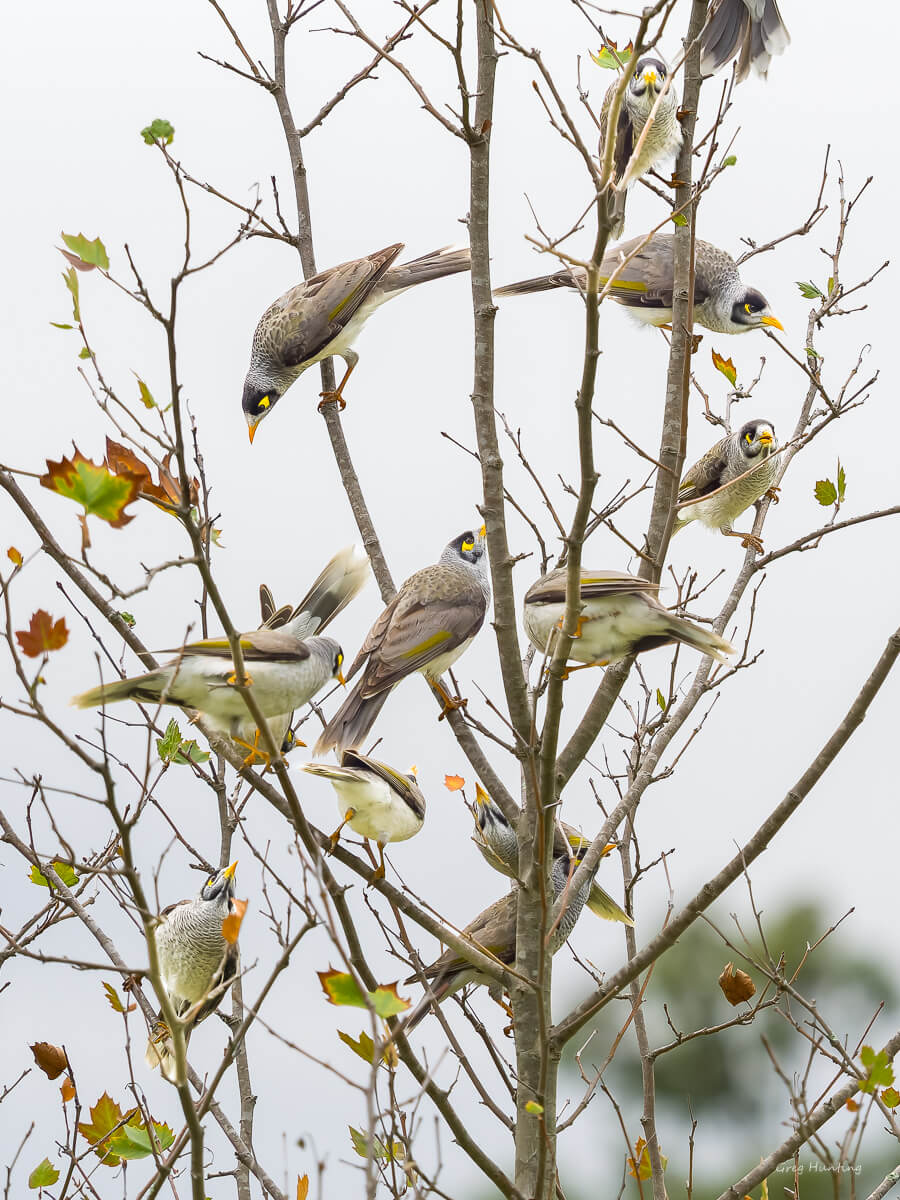
The noisy miner is often mistaken for the indian myna bird. The noisy variety is a local honeyeater that can be aggressive to other birds and, well, pretty noisy when they set their minds to it. This “minor tree” was certainly responsible for a lot of noise. Within their flock they are very social and are often seen chasing larger raptors (think kites, hawks and eagles) away from their territory.
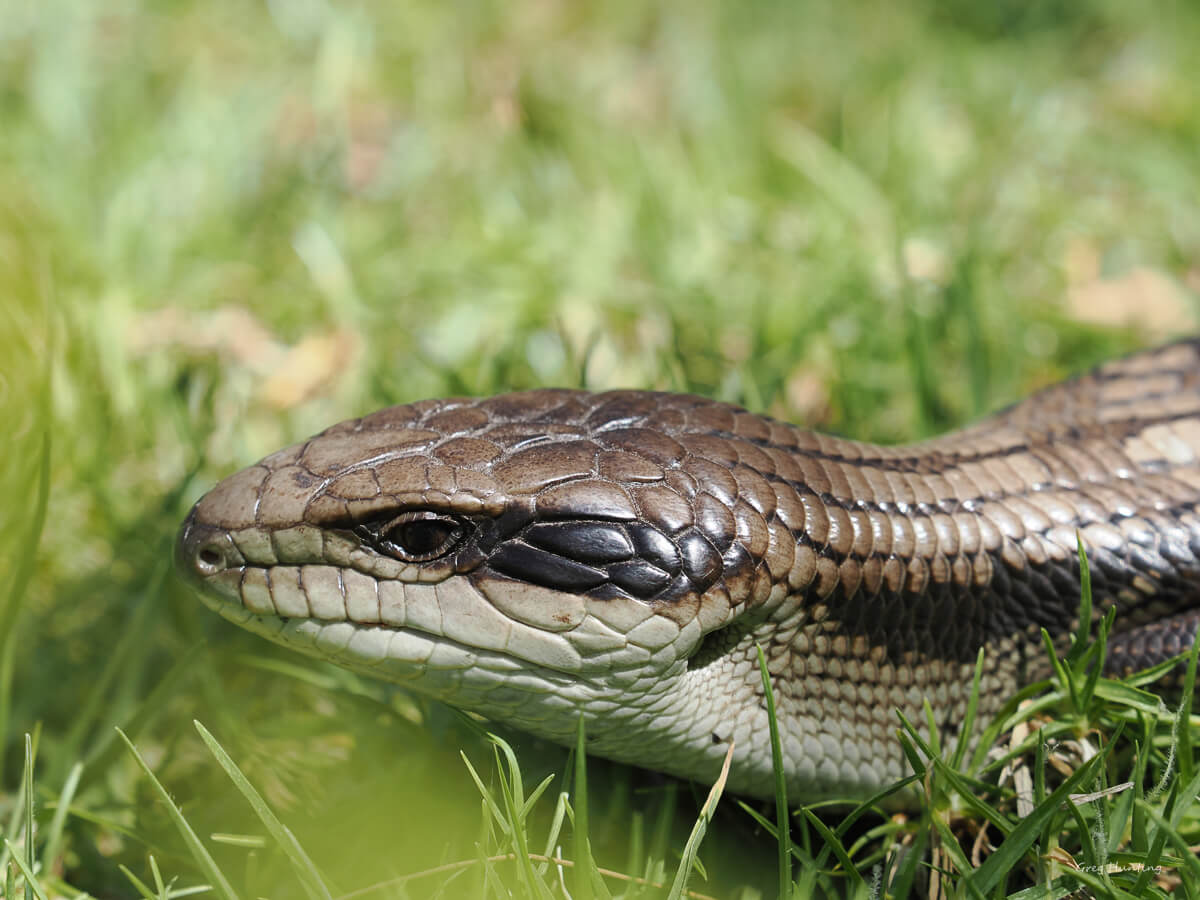
No, he’s not a nasty. This blue tongue lizard was lazing in the winter sun in the back yard. Despite sticking their very blue tongues out and hissing when disturbed, they’re friendly little additions to the garden. They do, however, enjoy a munch on vegetable leaves like lettuce and beetroot tops.
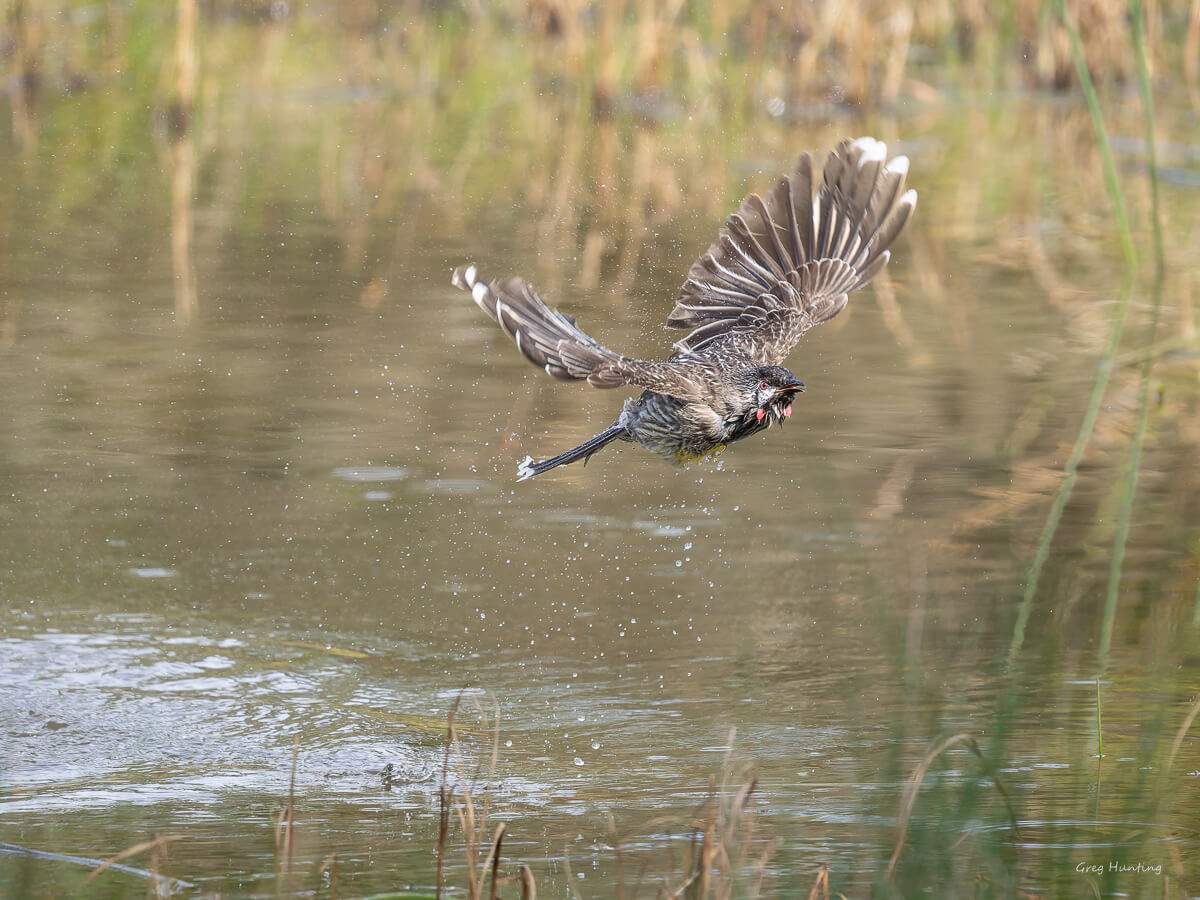
Early morning bathing time for this red wattlebird. The water must have been cold because the “bath” consisted of a few quick dips on the wing. The red wattlebird is a little larger than its cousin, the little wattlebird, and has distinctive red wattle hanging either side of its head.
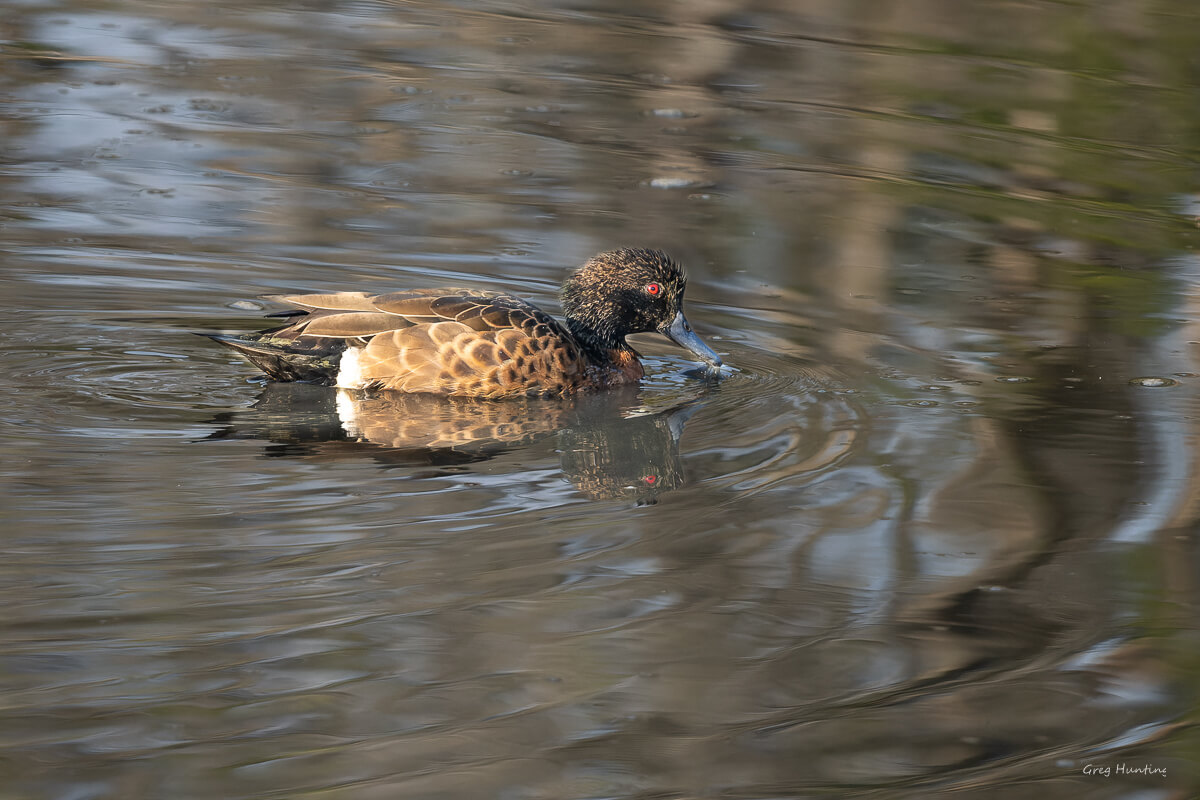
The red eyes of a female chestnut teal duck often helps with identification. They’re a small dabbling duck, which means feeding with their head and front half under water and their tail sticking up in the air. They’re generally found in estuaries and are protected as their numbers are declining through loss of habitat.
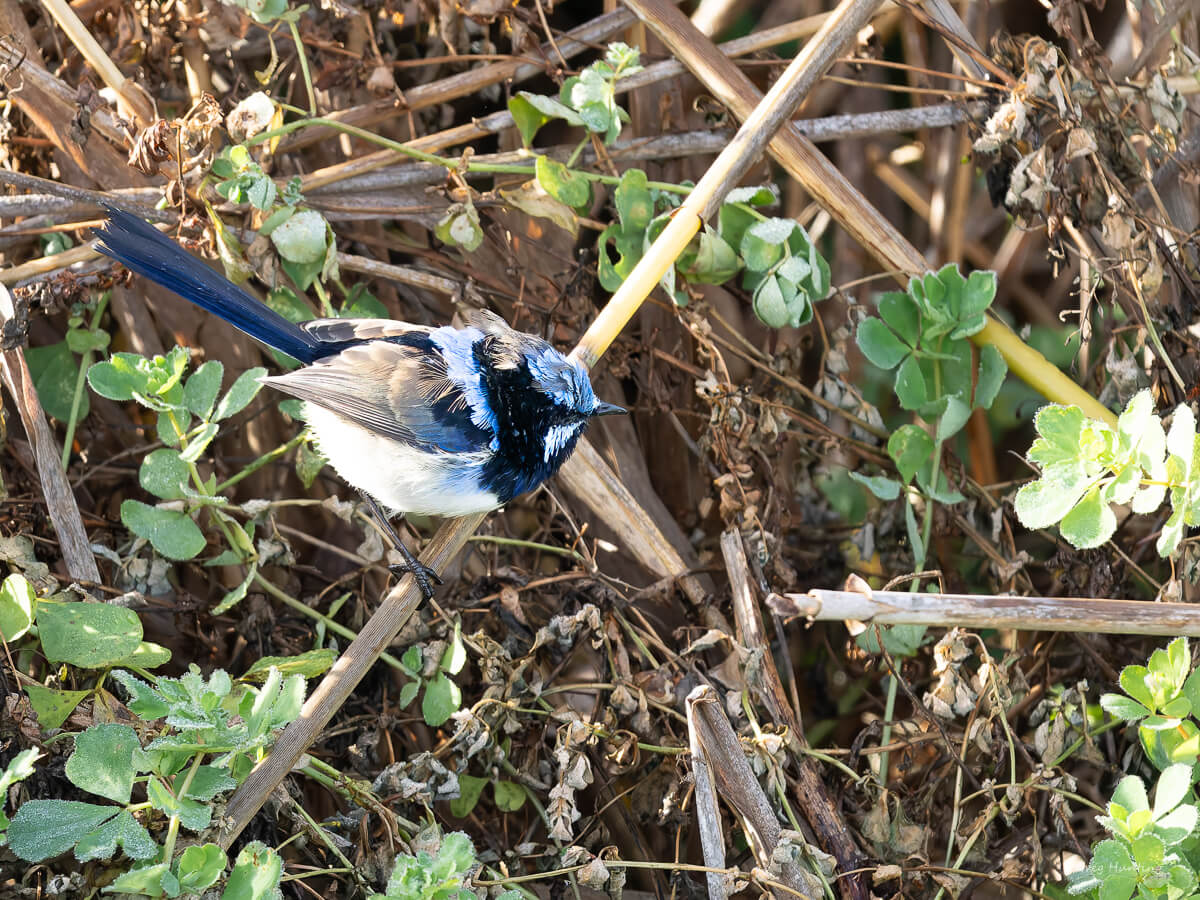
This male superb blue wren raises a question. Are his blue feathers coming or going? These little fellows only get their beautiful colours for the breeding season (September to January) and as it’s June, it’s a good question. Little know fact. Superb blue wrens are considered the least faithful birds on the planet. Despite having a harem of jenny wrens, the male often sneaks off to find a different lady friend. And the girls don’t miss out. They’ve been known to head off and mate with up to 13 different males in half an hour!
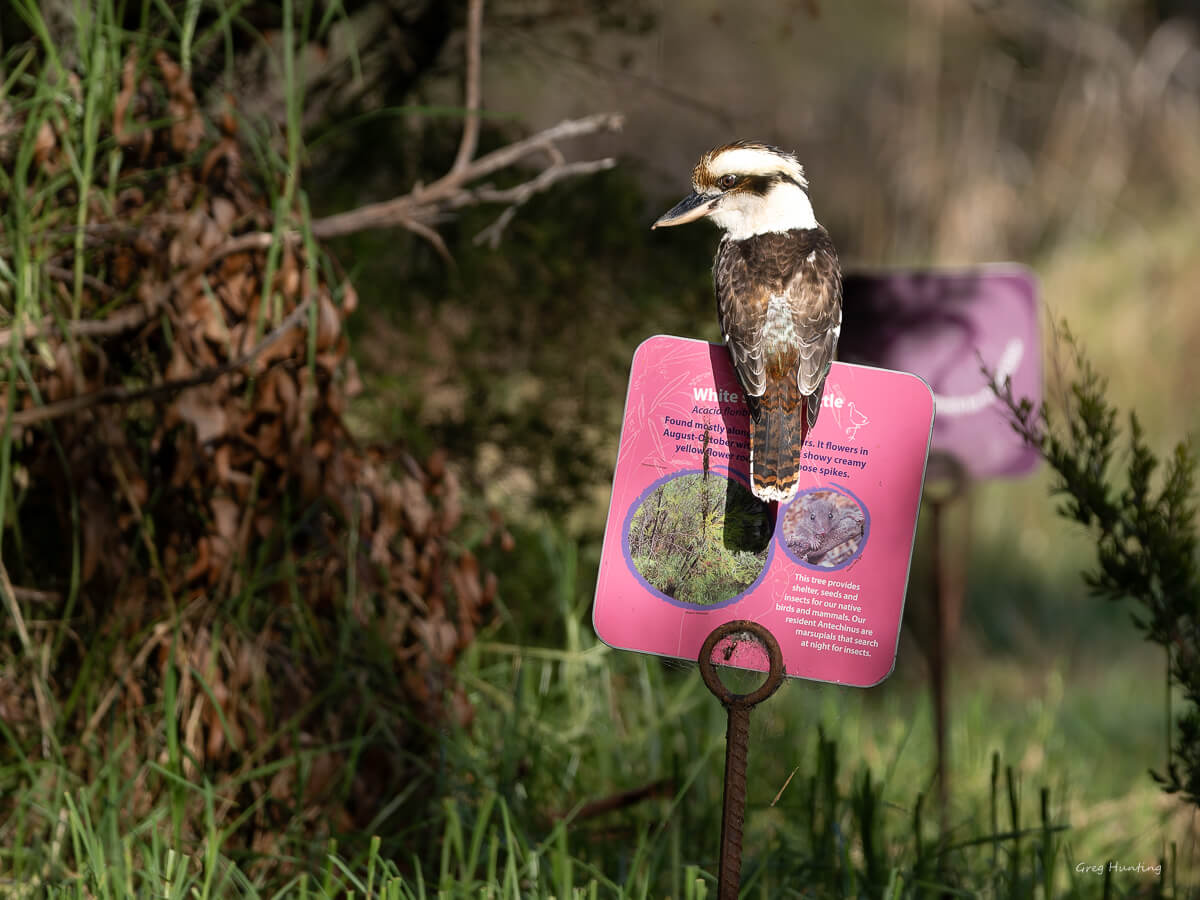
There’s a song about a kookaburra sitting in an old gum tree. This one decided to act as tour guide in Panboola Wetlands, flying just ahead of me from information sign to information sign.
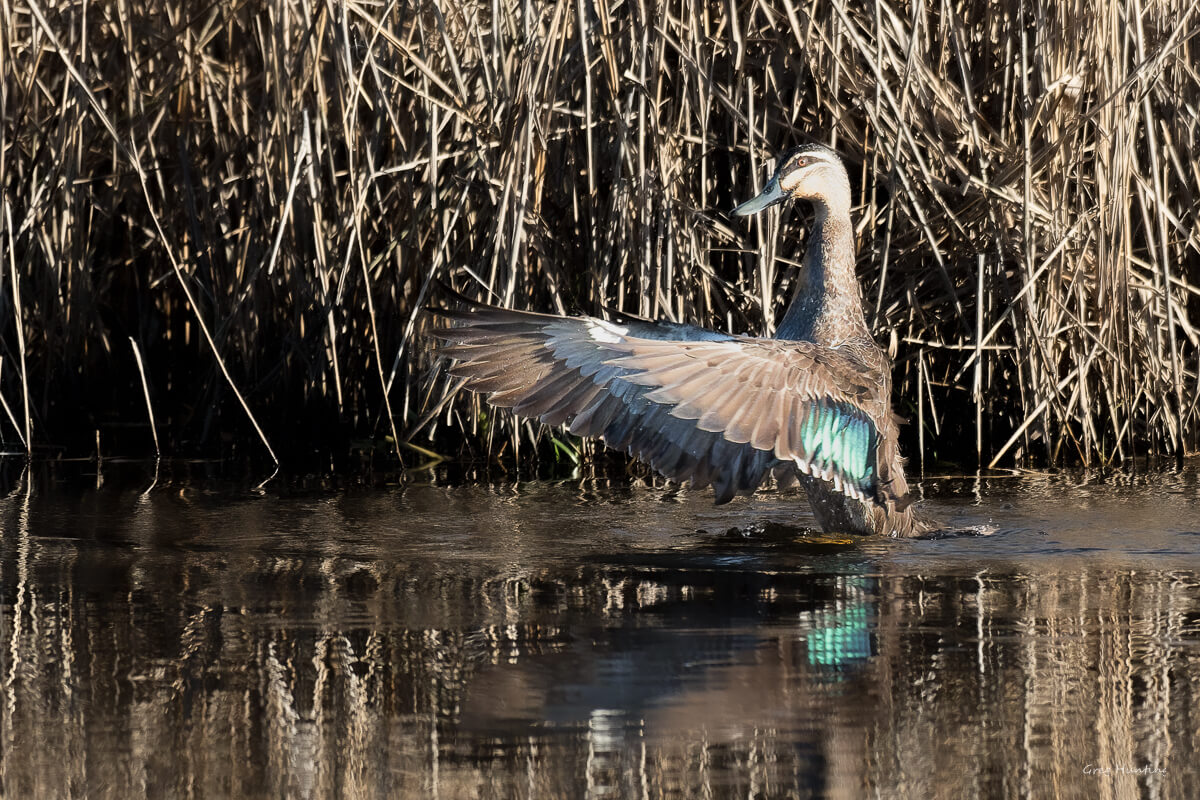
Pacific black ducks are pretty common and can look quite plain compared with many of their cousins until, as you can see in this shot, they decide to display the beautiful green hidden in their wings.
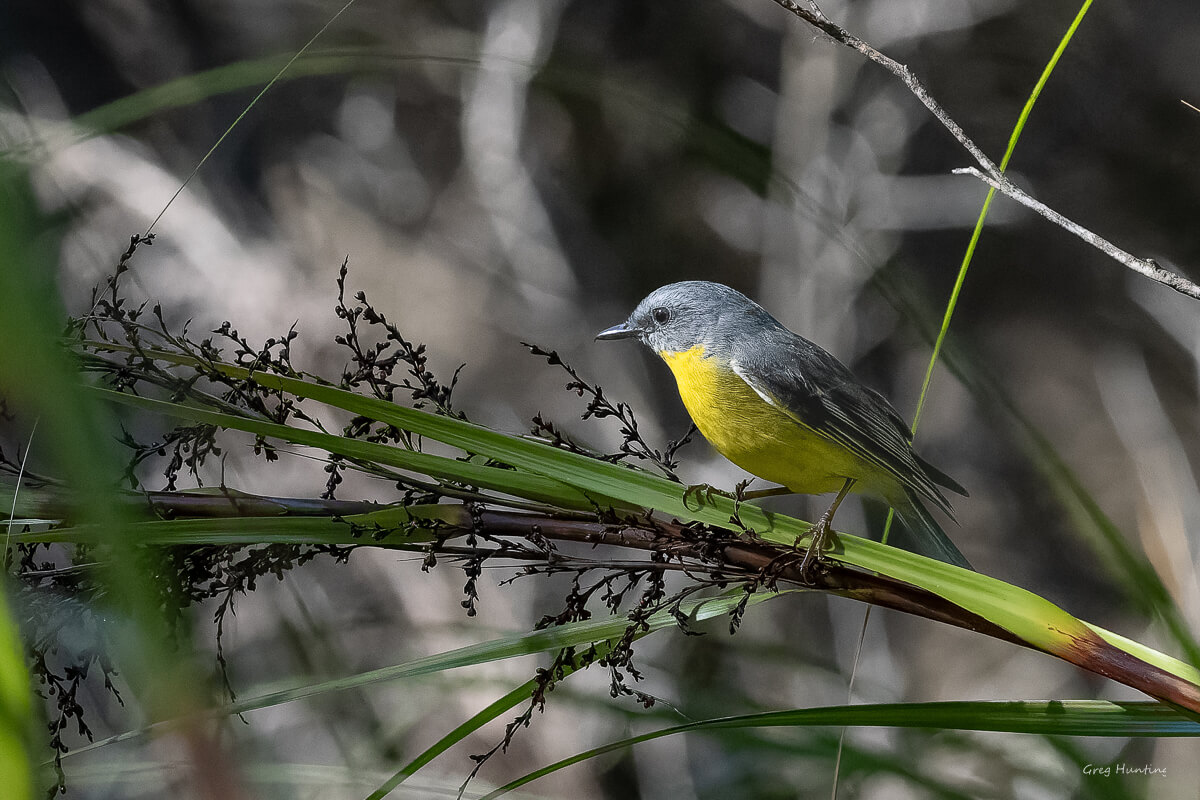
The eastern yellow robin is a very beautiful medium-sized bird, widespread along Australia’s east coast and forests. They’re friendly little fellows and often sit in low scrubs hoping you’ll disturb some insect they can snack on. They’re described as pounce and pause hunters. Watch them for a while and you’ll see how they got that description.
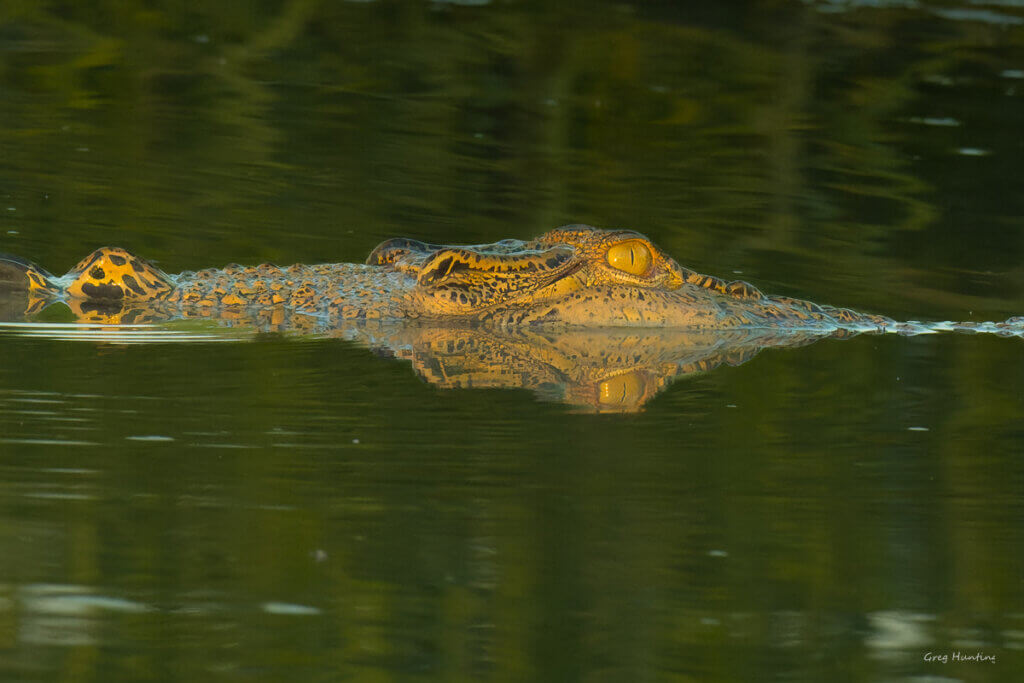
This month from the archives I’ve picked one of the most amazing wildlife places I’ve ever visited in Australia – Corroboree Billabong in the Northern Territory. It lies beside the Mary River between Darwin and Kakadu and is alive with birds, water buffalo, wallabies and crocodiles, some of them very large indeed!
Click on the croc to visit Corroboree Billabong
Please subscribe below to be notified when the next monthly Post is online. Your email will not be shared or used for any marketing, and you can unsubscribe at anytime.