
Winter finally arrived in force in July in my part of the world. Very cold nights and nice (cool) sunny days. It’s a fairly quiet time for wildlife on the south coast of New South Wales with mainly local ‘residents’ to follow. It’s also good for photography because you don’t have to get up as early to catch dawn or stay as late for dusk. I hope you enjoy this month’s Post. Greg
(click on images to enlarge)
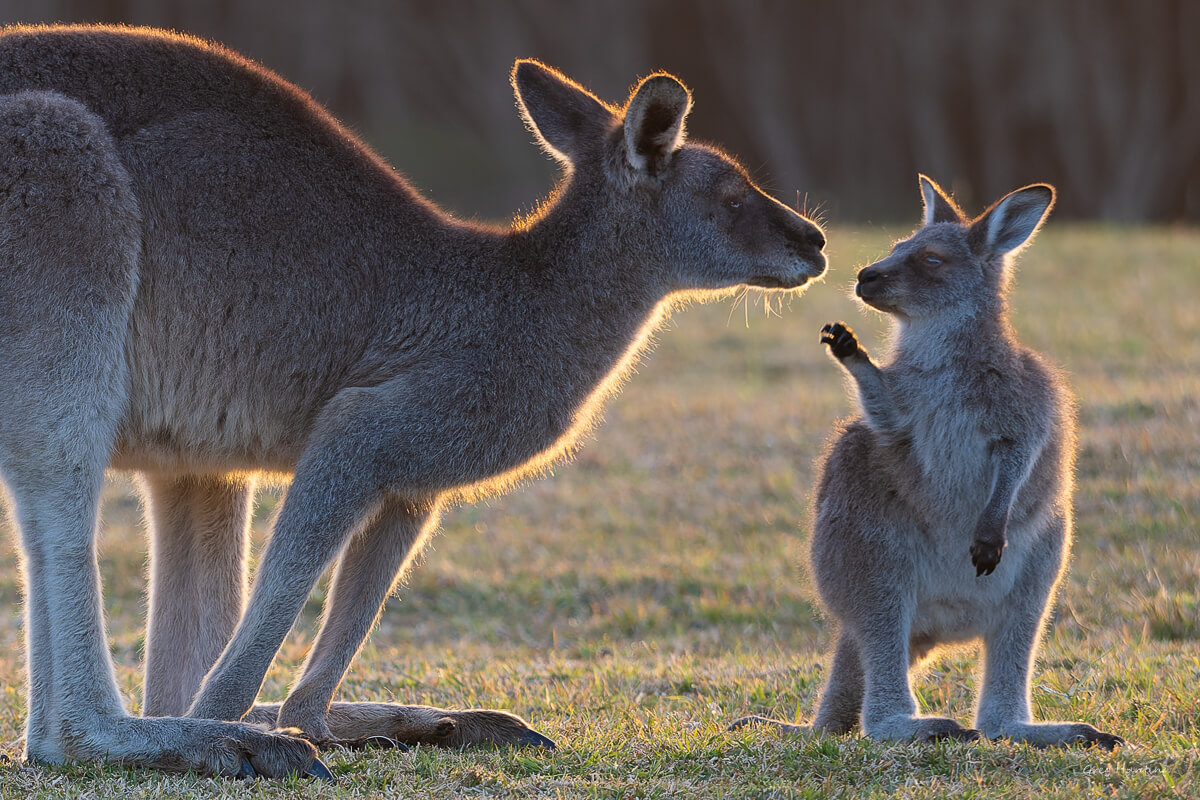
It was early on a cold morning on Tura Headland and this Eastern Grey Kangaroo‘ s Joey seemed to be asking to get back in his mum’s warm pouch. For the record, mum said ‘no’ and so junior had to make do with a little light grazing.
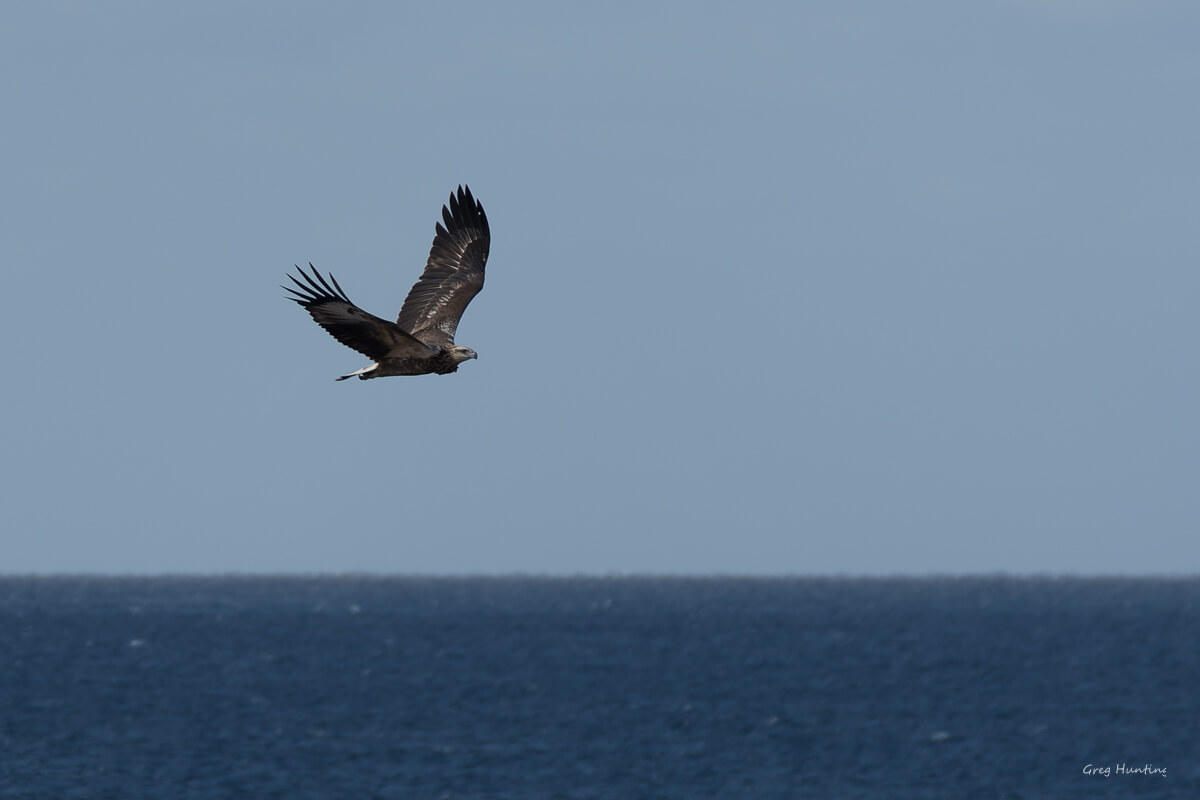
This Wedgetail Eagle was floating over Haycock Point on the lookout for a meal. The Australian wedgetail is a big bird on the global raptor scale. With a wingspan of up to 2.8 metres, it’s considerably bigger than the American Bald Eagle (but don’t tell you-know-who. He likes all things American to be the biggest, best and greatest ever).
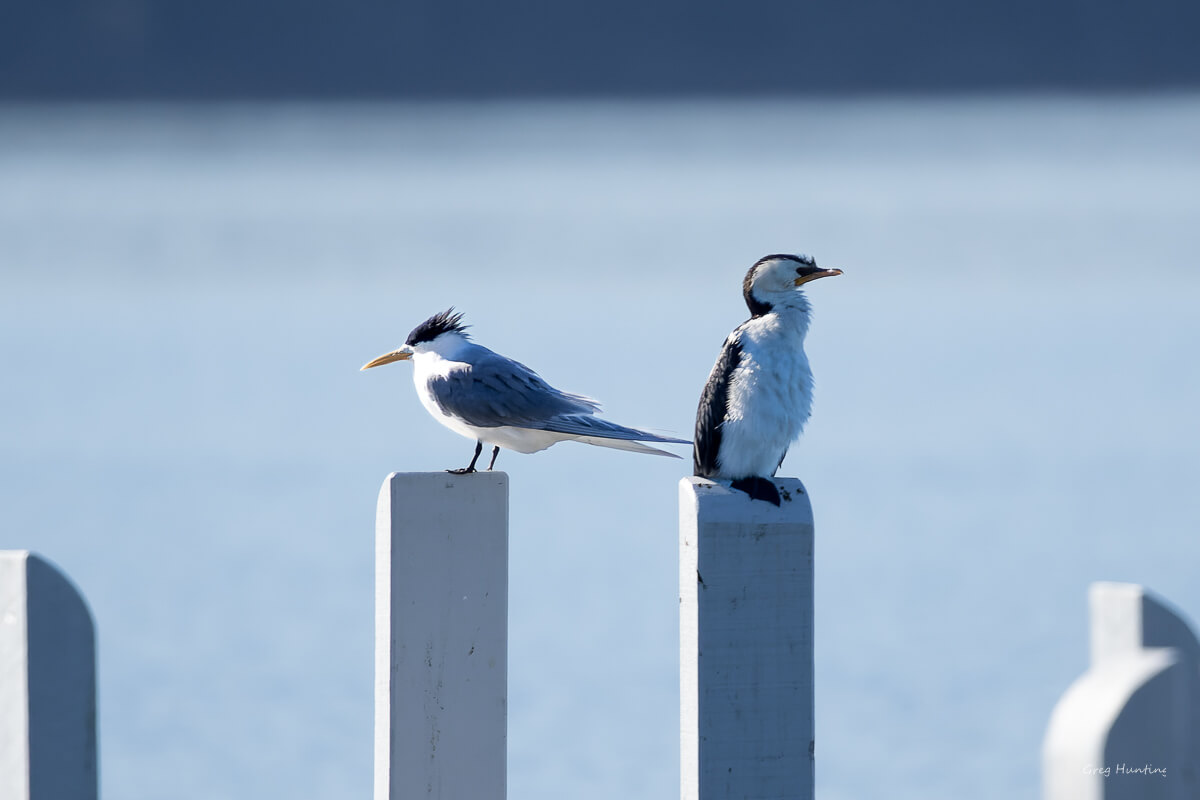
A Caspian Tern and Small Pied Cormorant were drying out after a morning’s fishing at Mallacoota. I took the shot because of the tern. The tern is named after the Caspian Sea. In 1764, a German naturalist, Peter Pallas, discovered these birds while surveying the Caspian. Peter was quite excited by his discovery, but what he didn’t know was that these birds were very common in tropical and temperate parts of the world. I guess not much of the tropical and temperate world had been explored in 1764 and certainly not by bird fancying naturalists!
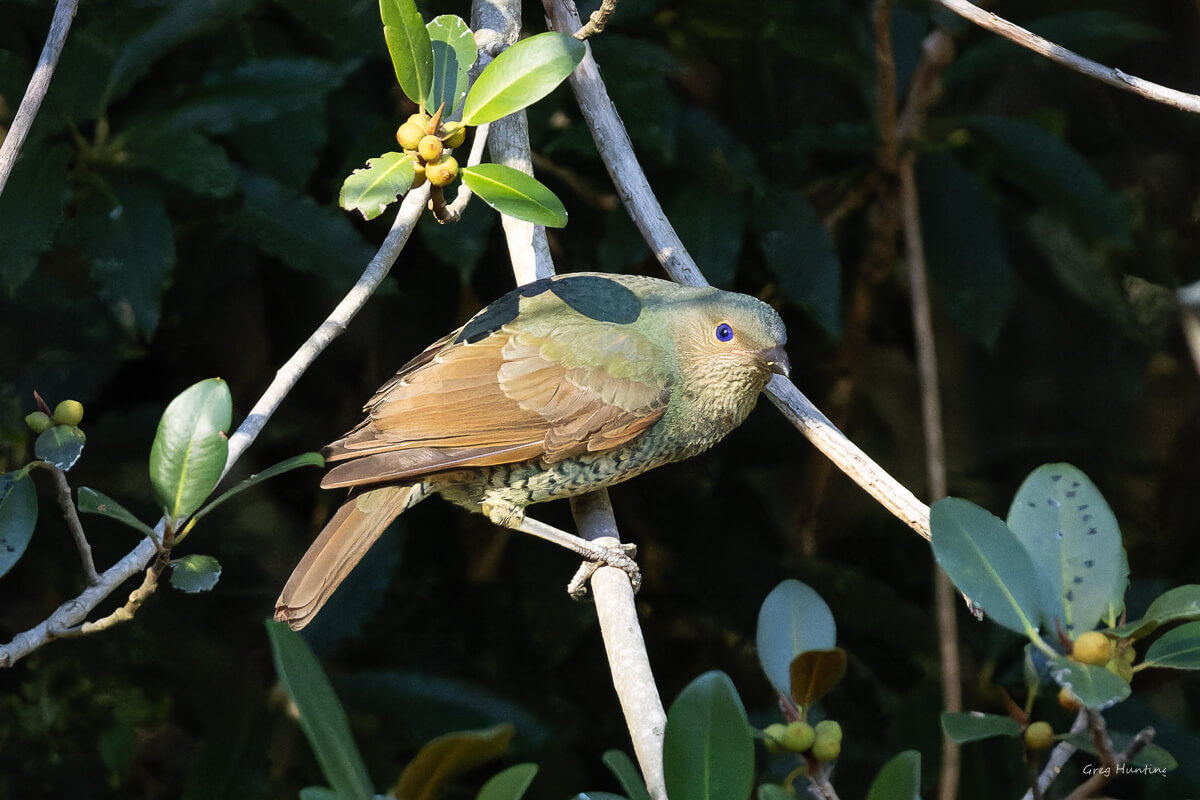
The female Satin Bowerbird doesn’t look at all like their male counterpart. They’re quite a pretty bird while the male has to make do with a covering of black feathers. Very unusual in the bird world.
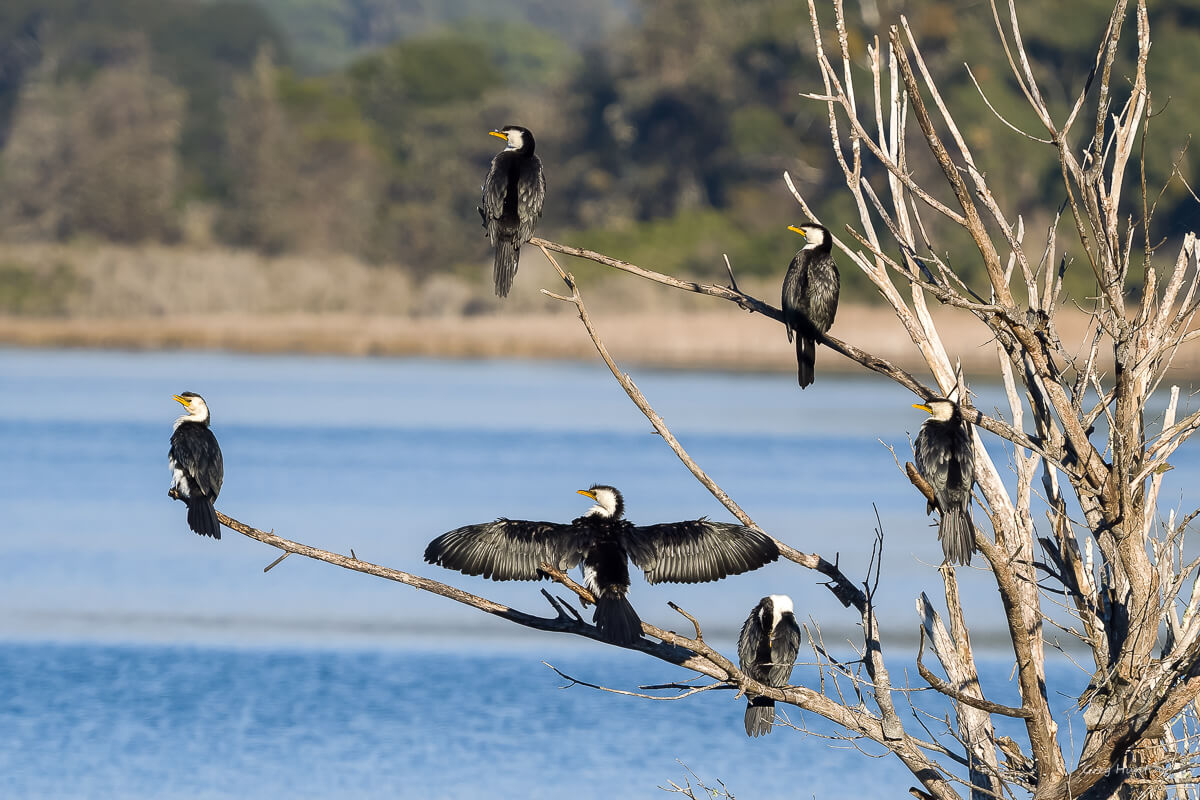
Last month there was a “Noisy Minor Tree” in my monthly Post. This month it’s the turn of the pied cormorant. This “tree” of them was resting near the shore of Wallagoot Lake, drying out after a morning of fishing.
I managed to spend a few days in Moruya Heads this month and what’s a trip to the area without a visit to the very good Mogo Wildlife Park. If you haven’t, you should. The following images came from that visit.
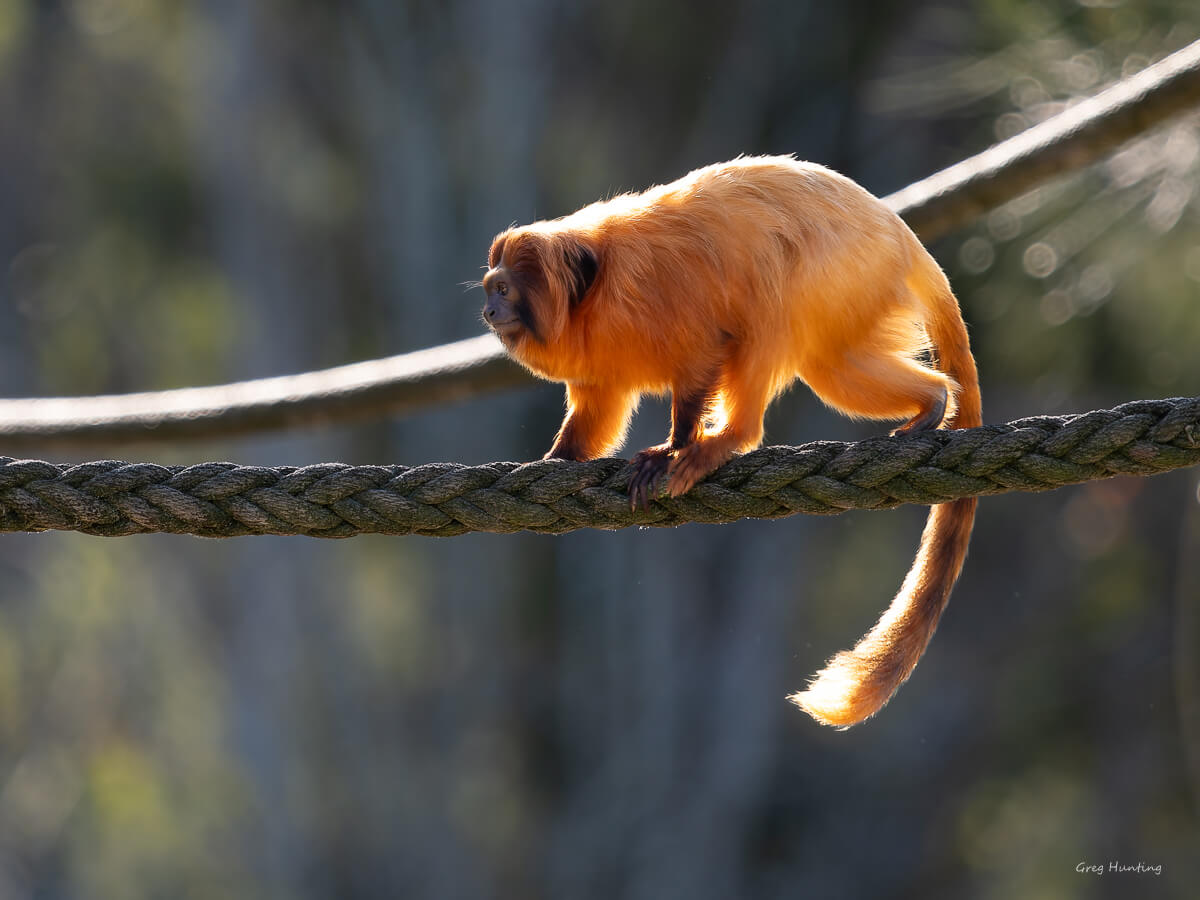
This rather spectacular chap is a Golden Lion Tamarin from South America. They live on the Atlantic coast of Brazil and through careful conservation and breeding, have seen their numbers rise from a few hundred to almost 5,000 today. They still remain on the endangered list.
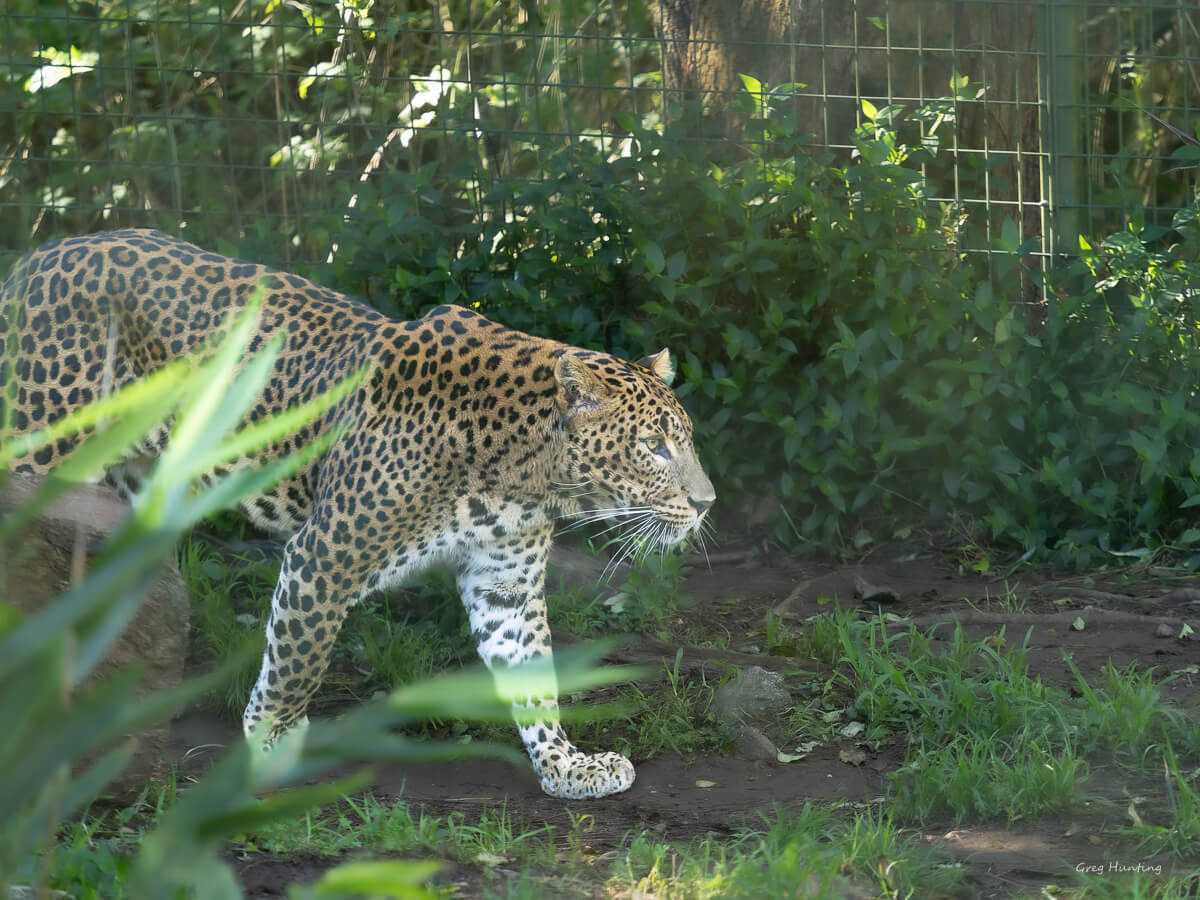
The leopard at Mogo Zoo is from Sri Lanka. They’re a little smaller than African leopards but are still the apex predator in Sri Lanka. As with many of the animals at Mogo Zoo they are endangered, with less than 1,000 surviving in the wild.
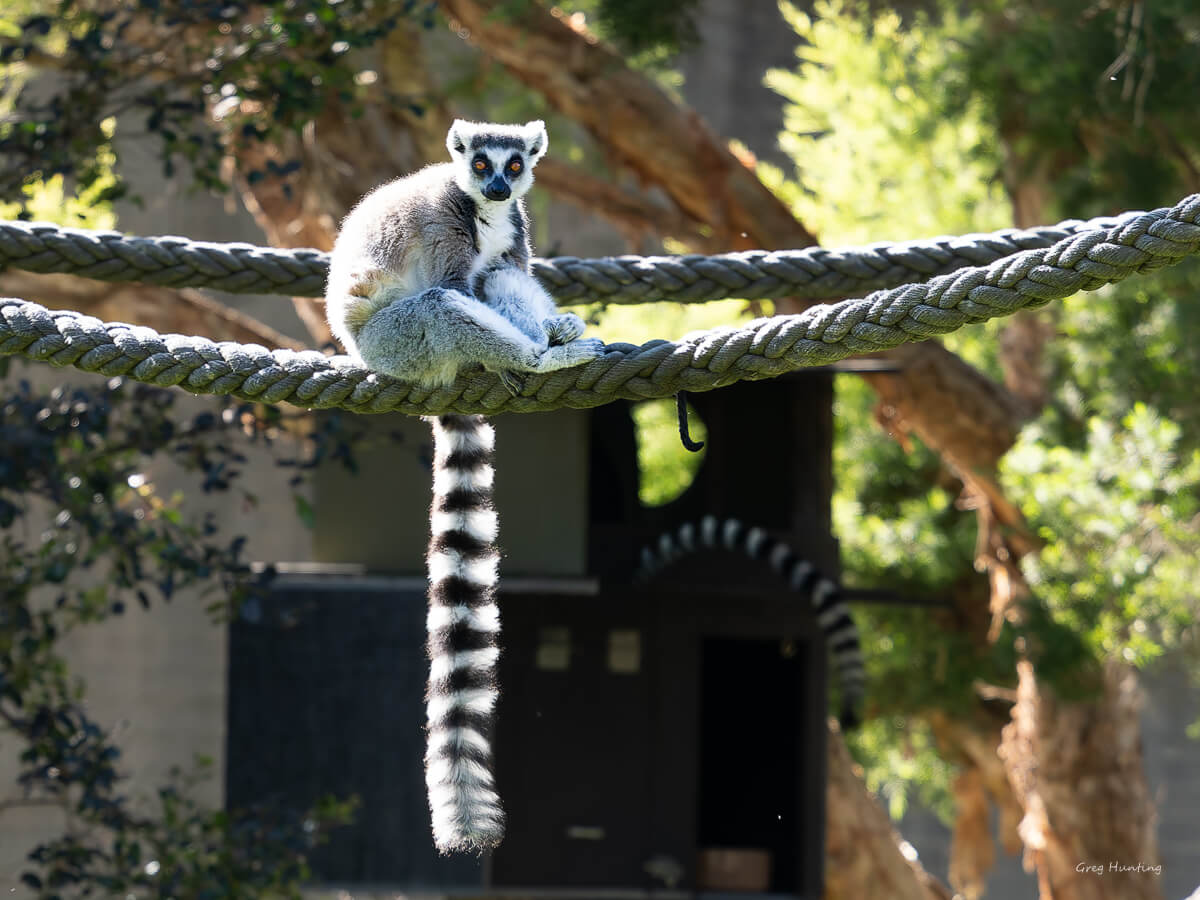
Another endangered resident at Mogo Zoo is the Ring-Tailed Lemur. They come from Madagascar, off the east coast of Africa. There are believed to be only 2,000 living in the wild but fortunately they are a zoo favourite, which helps preserve this species.
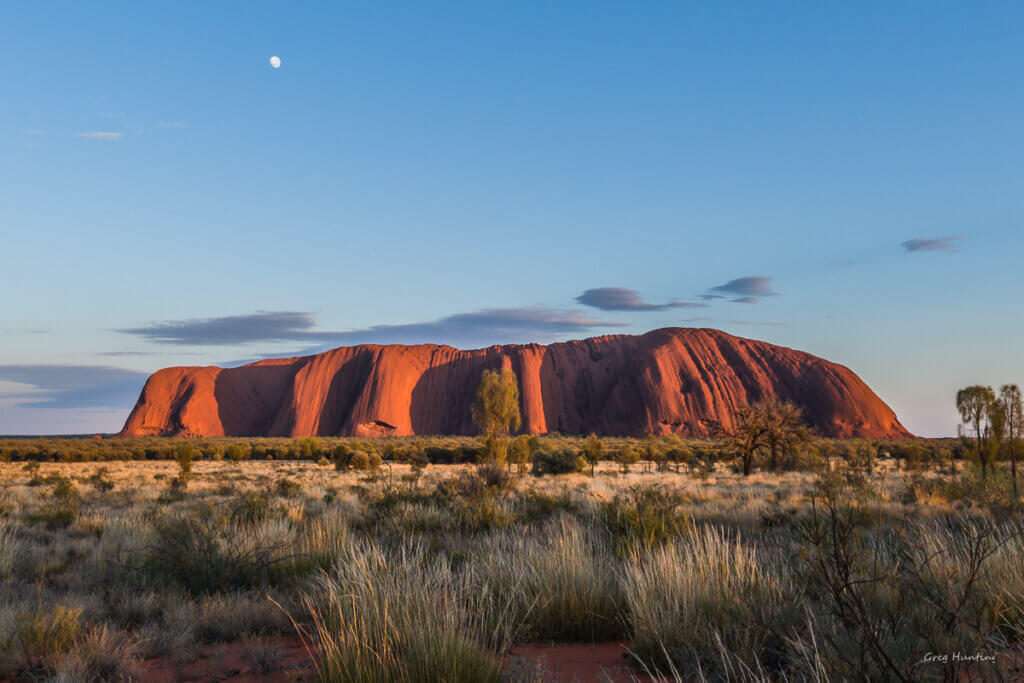
This month you might also like to check out one of my favourite places – Central Australia. Just click on the rock to have a look.
Please subscribe below to be notified when the next monthly Post is online. Your email will not be shared or used for any marketing, and you can unsubscribe at anytime.