
Australia’s Snowy Mountains are not always snowy with the highest peak at only 2,228 metres. Never-the-less the area does offer a three month annual winter ski season and a wide range of mainly outdoor activities for the rest of the year. As you’ll see from these images, the “rest of the year” is my favoured time, usually including a Spring pilgrimage. It’s a very beautiful region, sitting on the border between New South Wales and Victoria and covering one-point-two-million heactares of mostly national parks. gh
(Click on images to enlarge)
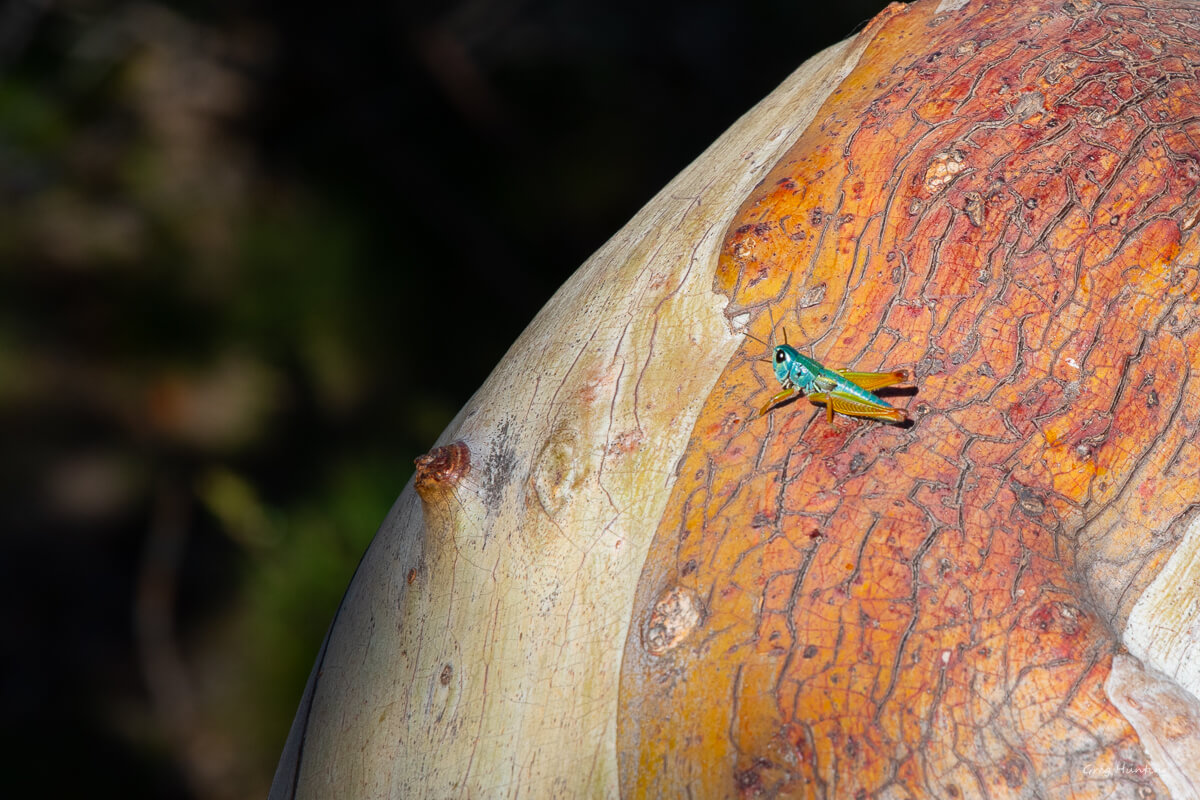
This little fellow is a real rarity. He’s a Chameleon Grasshopper and is only found in one place on earth – Australia’s Alpine region. When the weather turns cold, they’re black, but as it warms up, they gradually turn bright turquoise. Scientists have been trying unsuccessfully to work out why for over 60 years. The chameleons are also the only grasshopper species that is aggressive in that the males really don’t like each other. All in all it’s one of nature’s little mysteries.
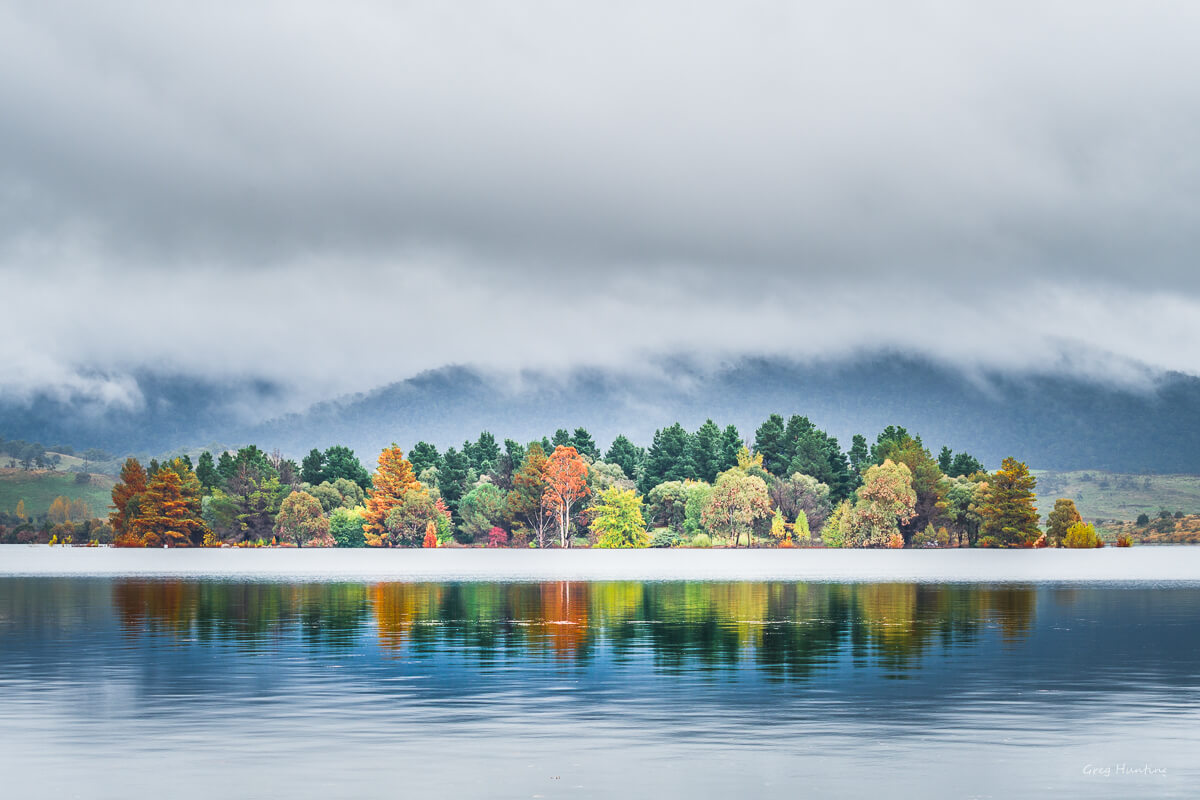
Lake Jindabyne has two islands near the town, Lion Island and Cub Island. This image of Lion Island was taken in Autumn when the island is a jewel box of coloured foliage.
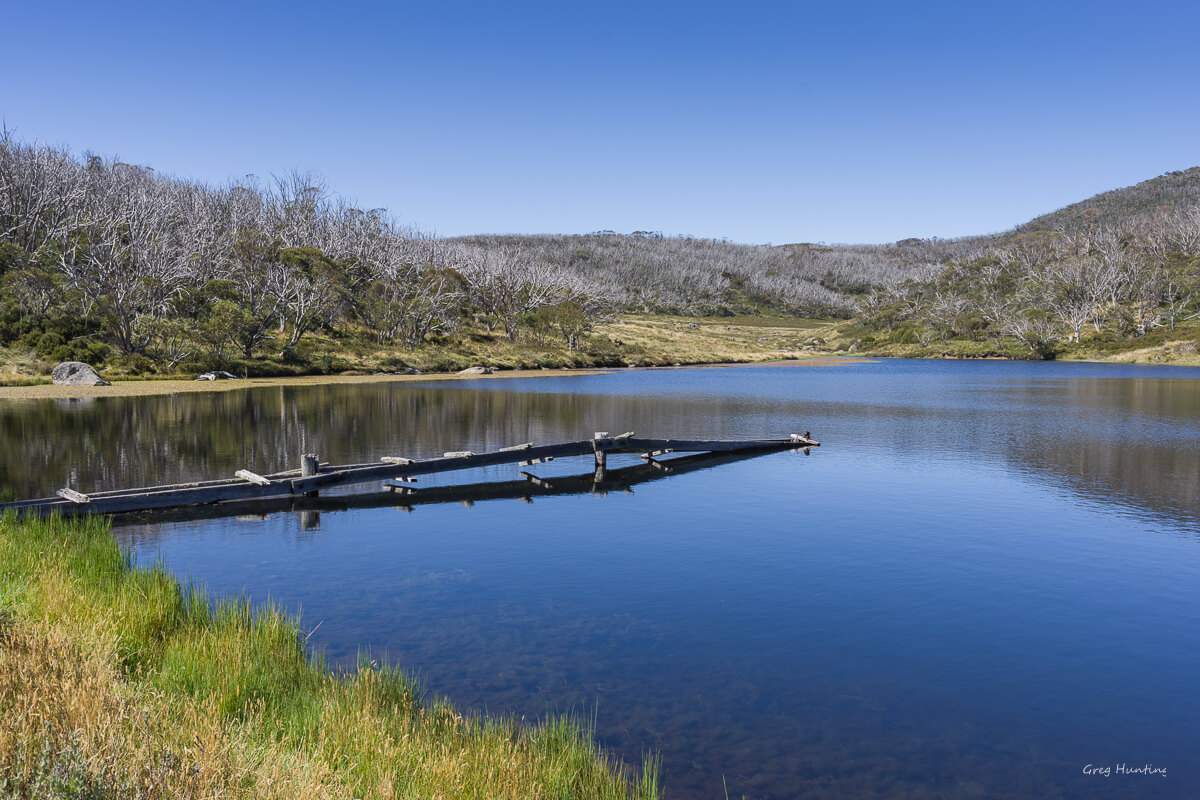
Rainbow Lake was created in the early 1900s as a small dam supplying water to what was then the Hotel Kosciuszko. The hotel burnt down in 1951 and was rebuilt as Sponars Lakeside Inn. Rainbow Lake is actually quite a distance from Sponars, along a 2.4k walking track off the main road further up the mountain. Nature, as it does if allowed, has turned this water storage dam into a beautiful lake complete with trout.
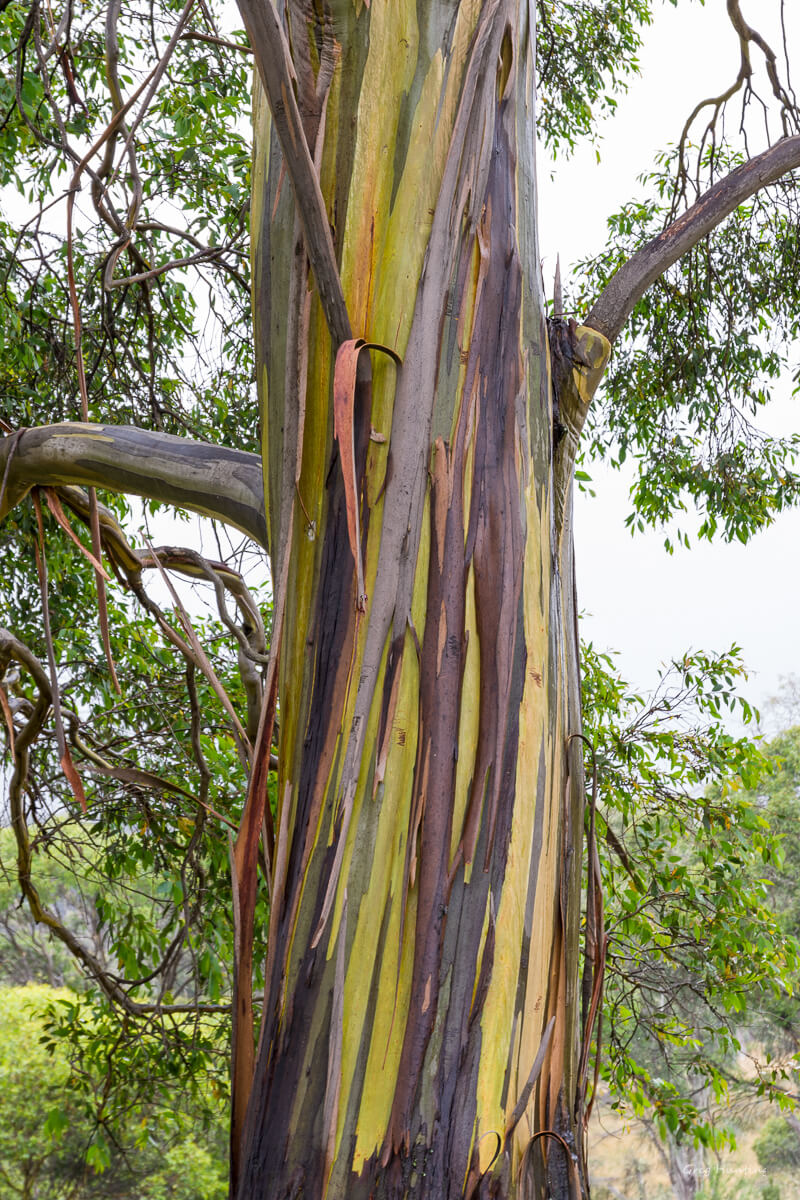
Snow gums can look spectacular, but only after rain or snow. Their rich colours really come to life when they’re wet. This specimen was on Long Plain Road in the Snowy Mountains. (Tip – carry a spray water bottle next time you’re in the mountains if you want to see them in their glory.)
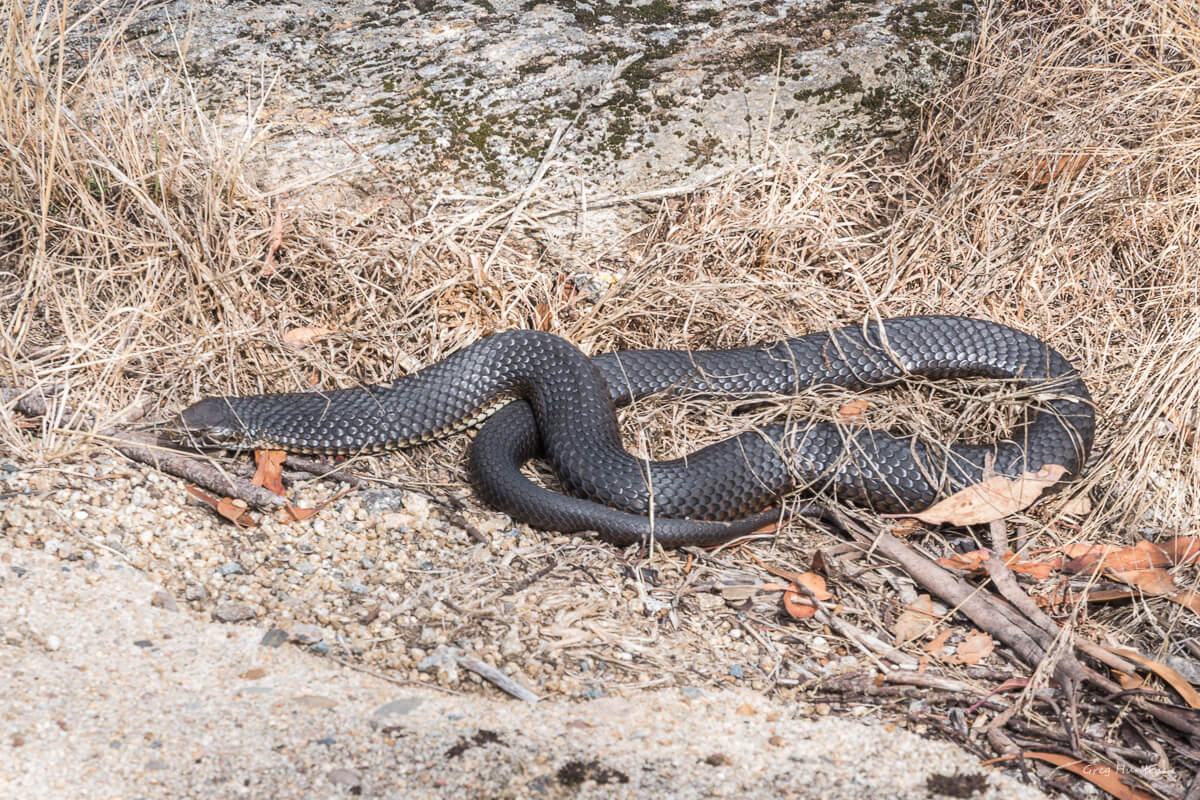
Dead Horse Gap seemed an appropriate place to find this fellow sleeping in the sun beside the walking track. He was about two metres in length and solidly built. I’ve been trying to identify him. He’s black with a pale (yellow?) belly. He looks a bit like some photo’s I’ve seen of copperhead snakes. If so, I probably should have kept a more respectable distance as they’re quite poisonous!
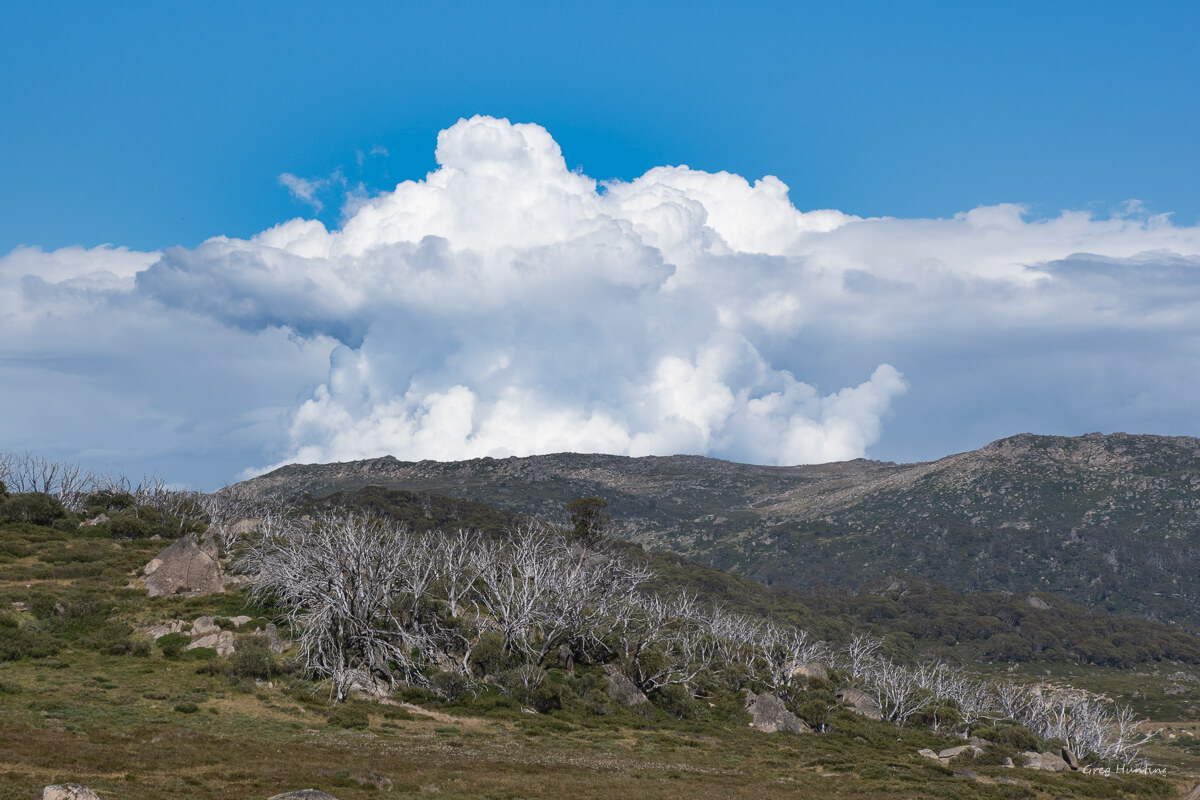
As anyone who spends time in the Snowy Mountains knows, the weather is highly changeable. It can go from freezing to very hot quickly and one of the features in warmer weather is summer storms. They hit quickly and can be quite violent. Note the dead trees in the foreground, they’re the result of a tiny mite that has caused widespread die-back in certain types of gum trees.
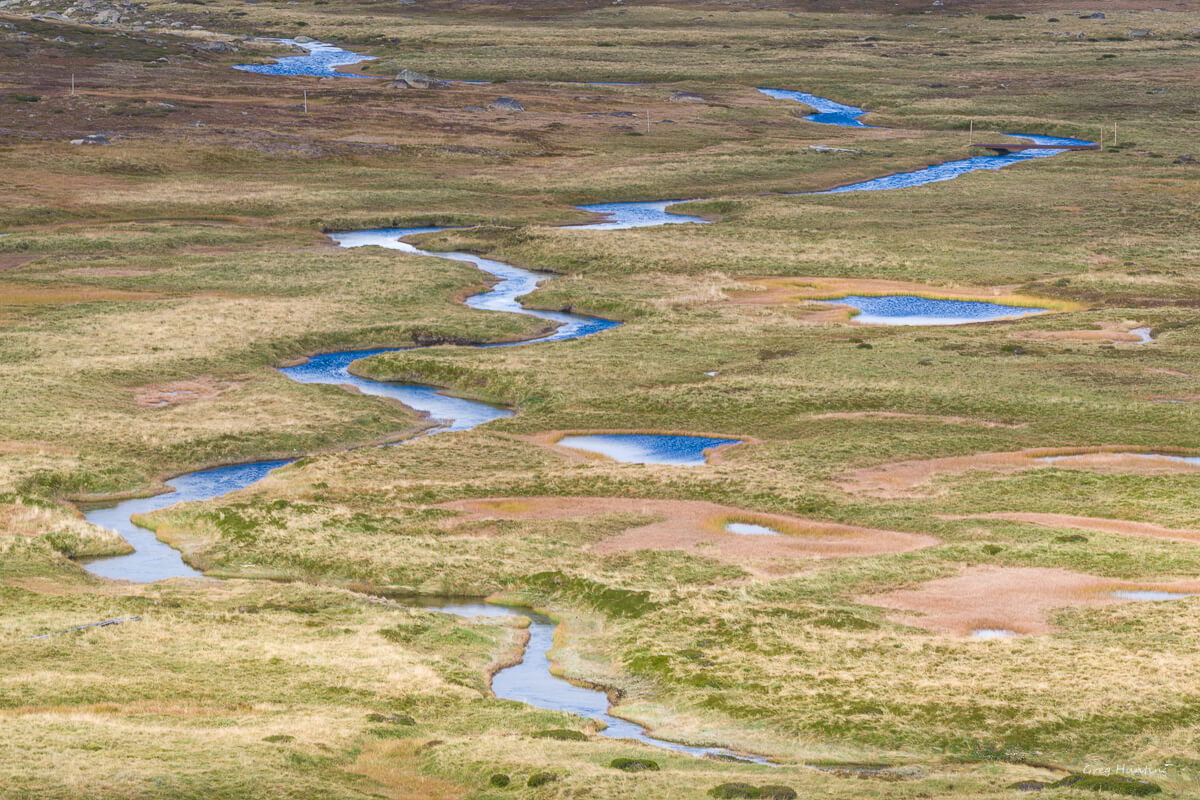
Spencers Creek at Charlotte Pass is often just a meander of water pools along the valley floor that looks quite beautiful. There is a walk along the creek, on skis in winter and on foot in summer.
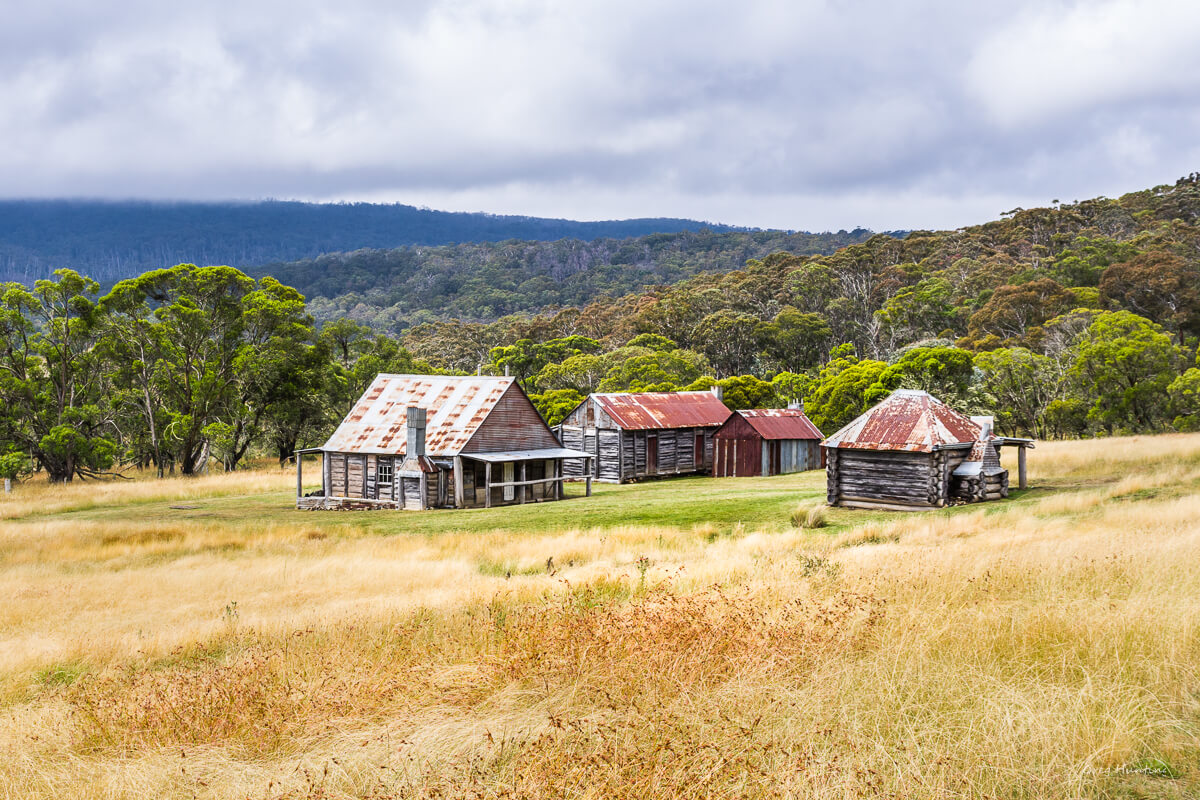
The early settlers in the Snowy Mountains were hardy souls. Today several of their homestead buildings still stand along Long Plain Road where they ran cattle and sheep. The largest is Coolamine Homestead, with buildings dating from 1885. It’s a fascinating glimpse into what was a harsh life in the 19th Century.
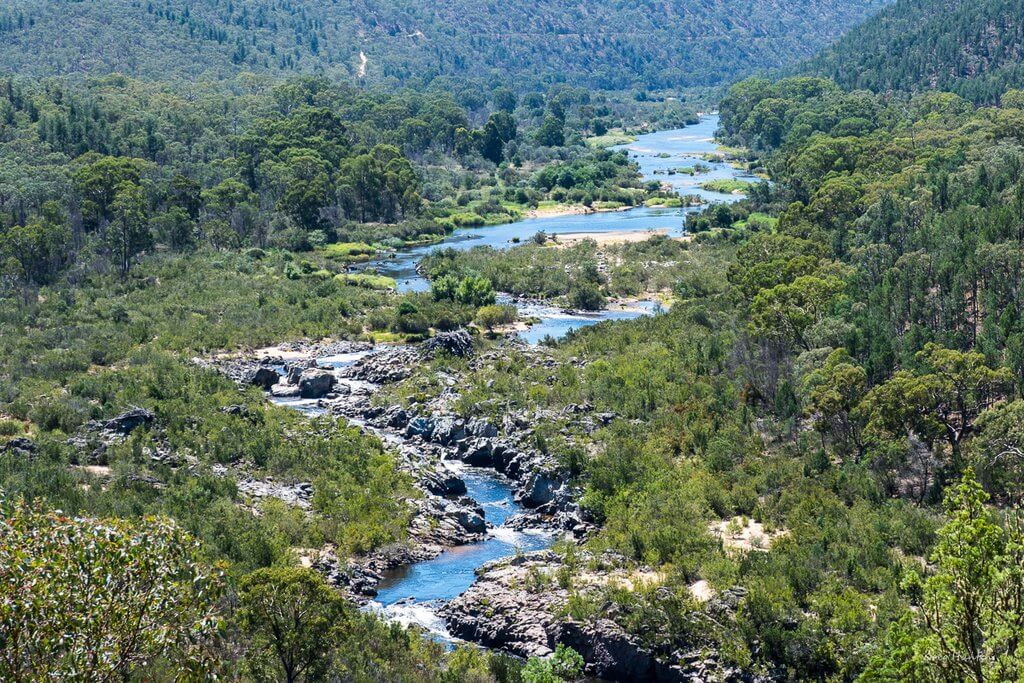
The Snowy River rises just below Mount Kosciusko, Australia’s highest mountain and wanders for about 400 kilometres before entering the sea at the Victorian town of Marlo. There is a drive (mostly dirt road) from Jindabyne to the lower Snowy River area. It’s a spectacular road trip of 150 kilometes return that features picnic spots, swimming holes, campgrounds and lookouts. It’s a full day but well worth it.

As if the Snowy Mountains didn’t have enough natural beauty, it also has stunning limestone caves, the Yarrangobilly Caves. They formed over 440 million years ago but were only discovered by Europeans in 1834 when a stockman named John Bowman stumbled on them. They house hundreds of spectacular formations including the fairly rare Flowstone shawl in this image.
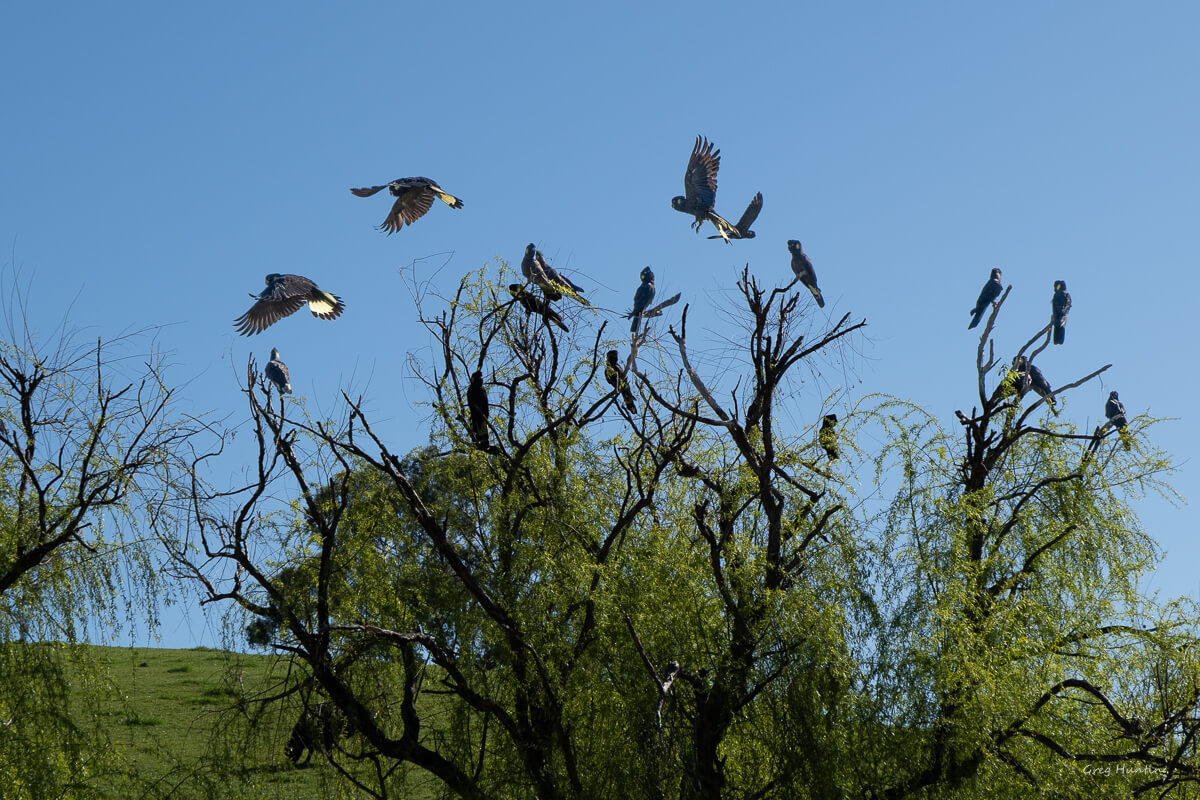
The Snowy Mountains are a birders paradise, especially in Spring. This flock of Yellow-tailed Black Cockatoos obligingly settled in a tree beside a dirt track I was following.
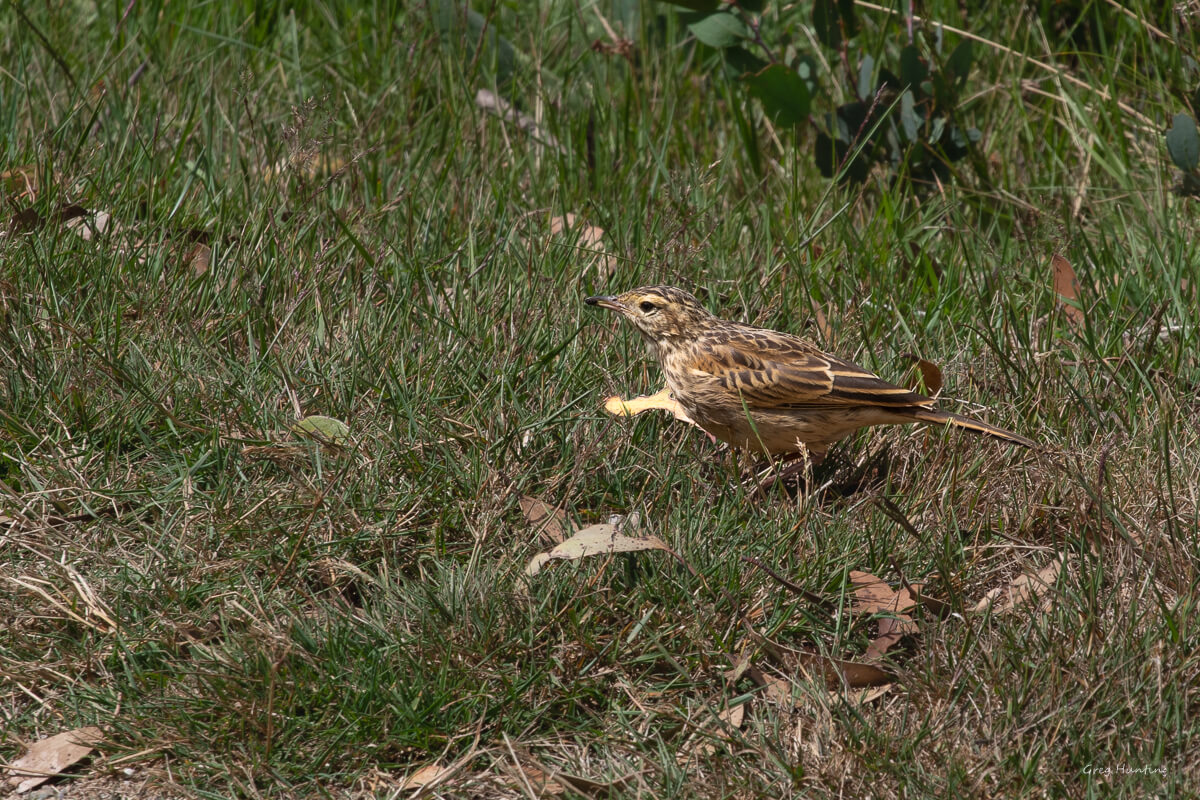
An Australian Pipit foraging not far from the sleeping snake in Dead Horse Gap. Hopefully it had the sense not to get too close!