August in Australia is a little like the Friday before a long weekend. Something exciting (Spring) is just around the corner, and it’s the best time of the year with new growth, wildflowers, birds breeding and animals stirring out of their winter lassitude. This final Winter Post has a focus on some of our smaller feathered friends. Unfortunately bird flu is now present around much of the country. Even here on the South Coast of New South Wales there have been cases in Merimbula. If you come across a sick bird, don’t touch it. Call the Bird Flu hotline – 1800 675 888. Birds already with the flu can’t be helped so the focus is on limiting its spread. Greg
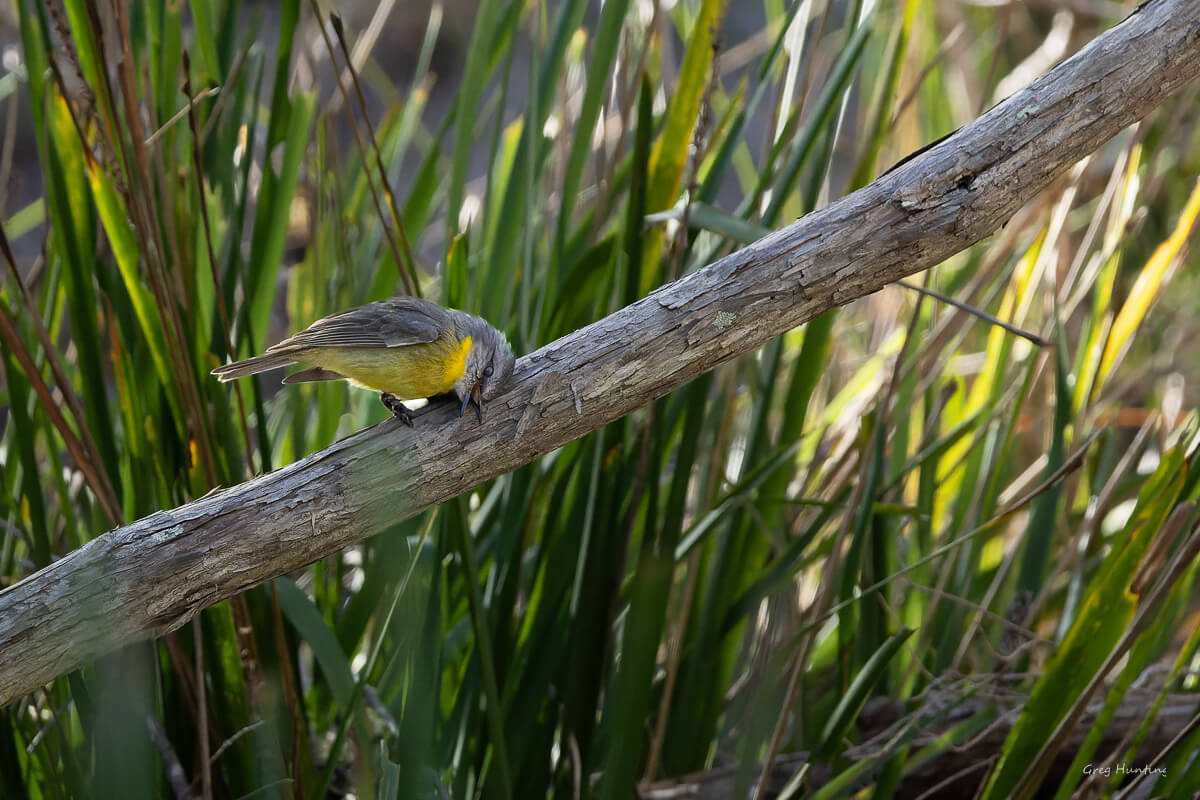
The Eastern Yellow Robin is a local, often seen in low bushes and shrubs waiting to pounce on their inspect prey. And while a nice fat juicy grub is a good catch, it can also be a bit messy, which means an occasional bill cleaning. If you see one fluttering about, stay still and quiet They’re inquisitive and confident around humans so they’re likely to hang around.
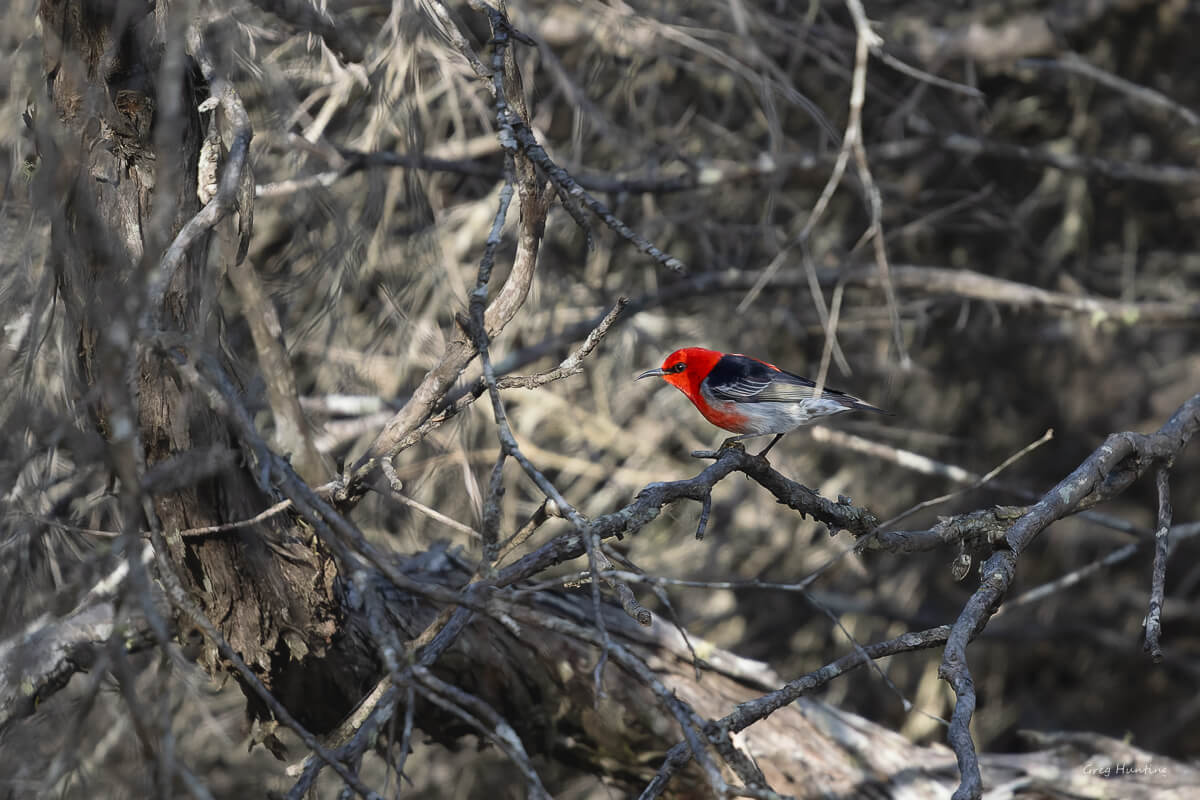
This little beauty is a Scarlet Honeyeater (a boy, of course – the girls are just plain brown!). They are the smallest of Australia’s honeyeaters, about the size of a sparrow, and tend to feed on flowers in the top of trees so are not easy to spot. They try to defend their territory but are often driven off by larger honeyeaters. Their proper name is the scarlet myzomela, which has a nice ring to it.
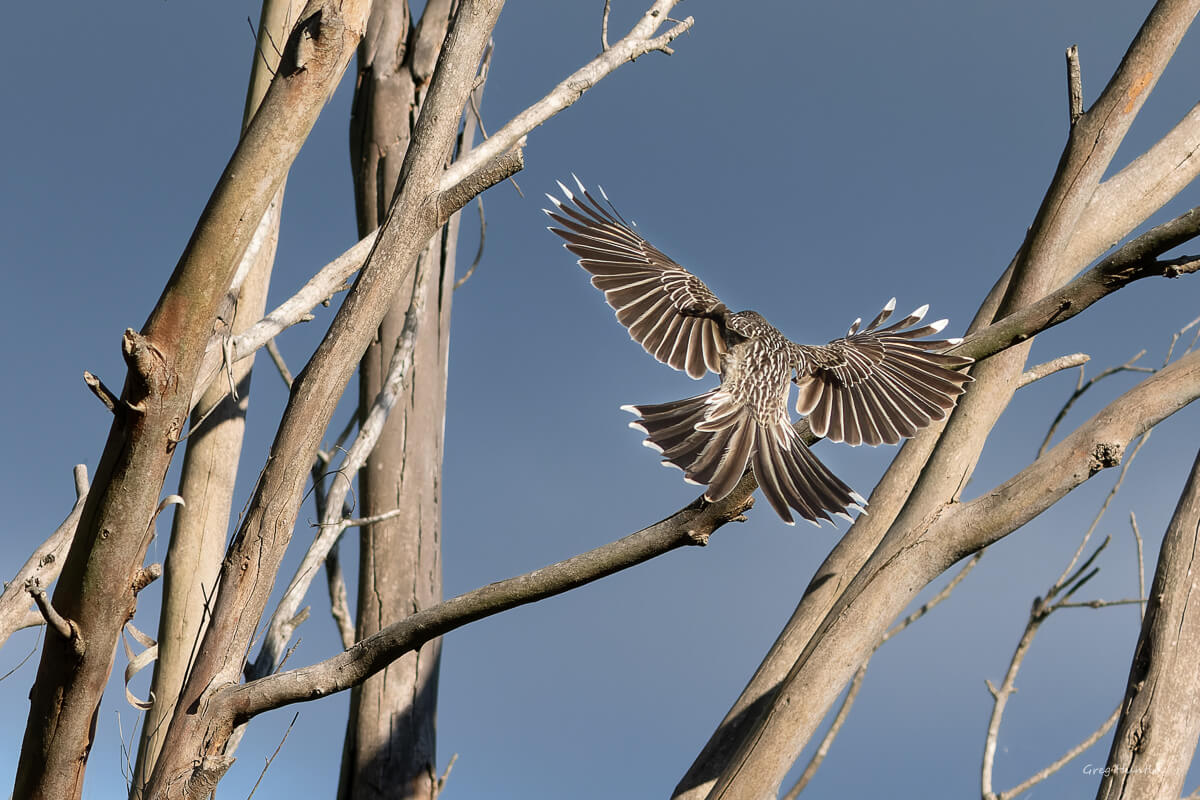
Wattlebirds are also honeyeaters and being much larger than their scarlet cousins are one of the nasty ones that chase the little scarlet fellows. As this image shows, while they don’t boast the brilliant colours of their little relatives, wattlebirds still have a pretty spectacular wing pattern in flight.
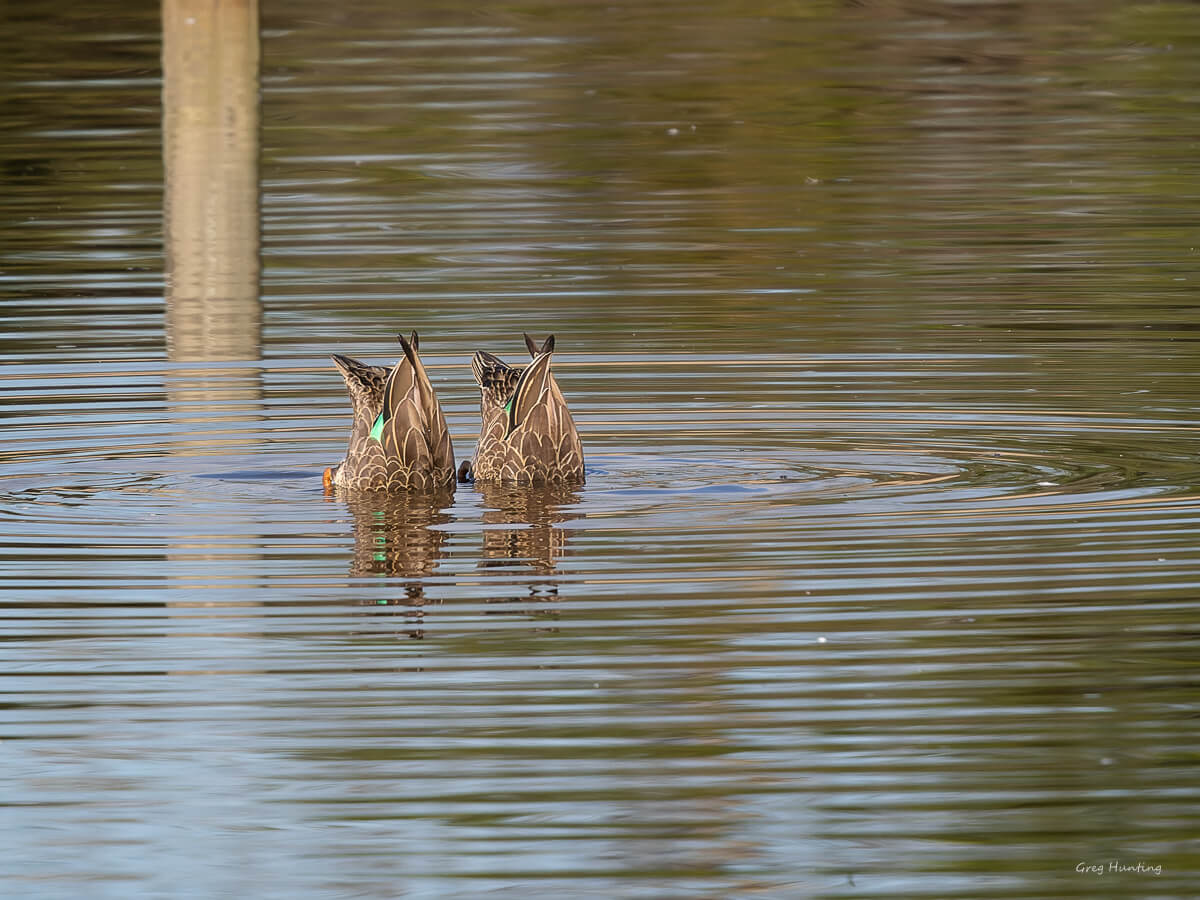
Bottoms Up – Pacific Black Ducks are one of our most common quackers and this pair were focused on getting lunch. I get the ‘pacific’ part of their name but they’re not actually black? A bit of research and it turns out it comes from the dark chocolate brown eye stripes and crown on their heads (you’ll have to take my word for that with this pair). And the iridescent patch on their wings? It’s a result of the refractive properties of those feathers, not because of any pigmentation.
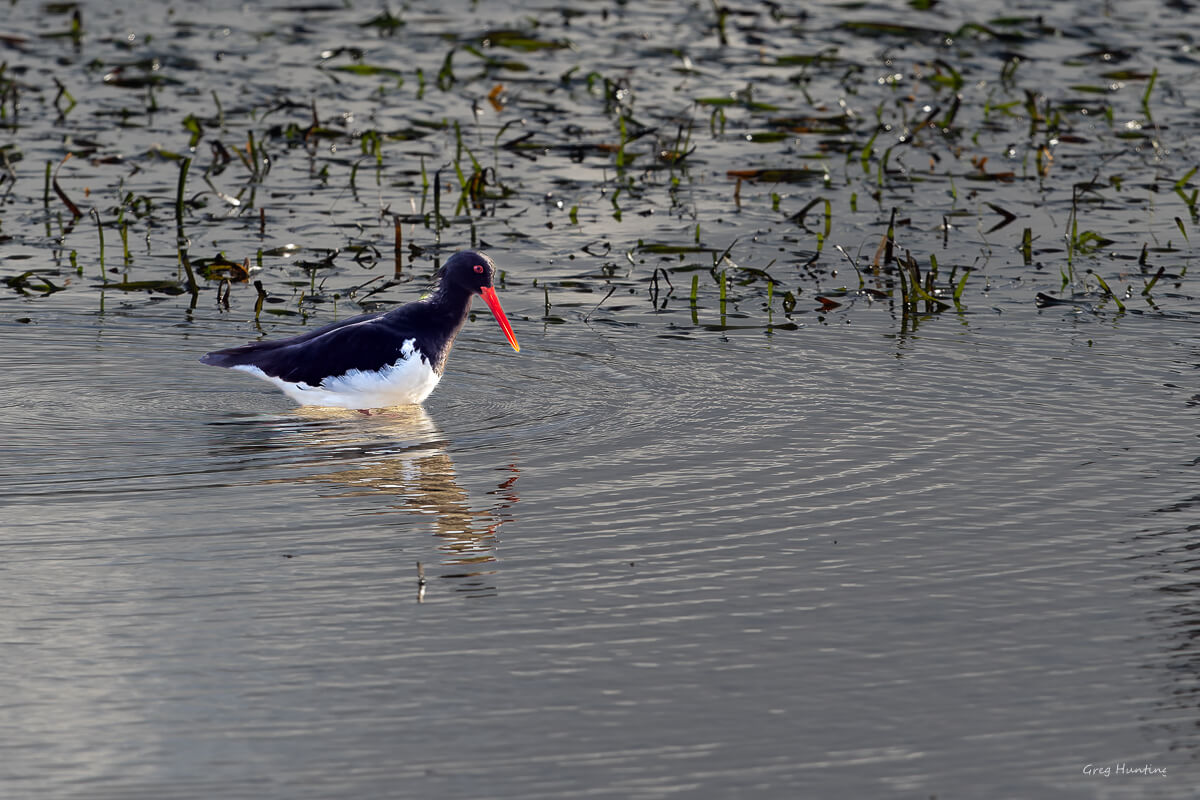
Pied Oystercatchers are found in coastal waterways around the country. They’re unique to Australia and are a little on the shy side. If approached, they’ll quickly move away but if you leave them be they’re an interesting bird to watch as they scavenge for food. Despite their name, they don’t really eat a lot of oysters, instead favouring things they can pick up, like bi-valve molluscs (mussels, clams, cockles etc), which they break open or prise apart with their bills. They also eat worms, small crustaceans and insects.
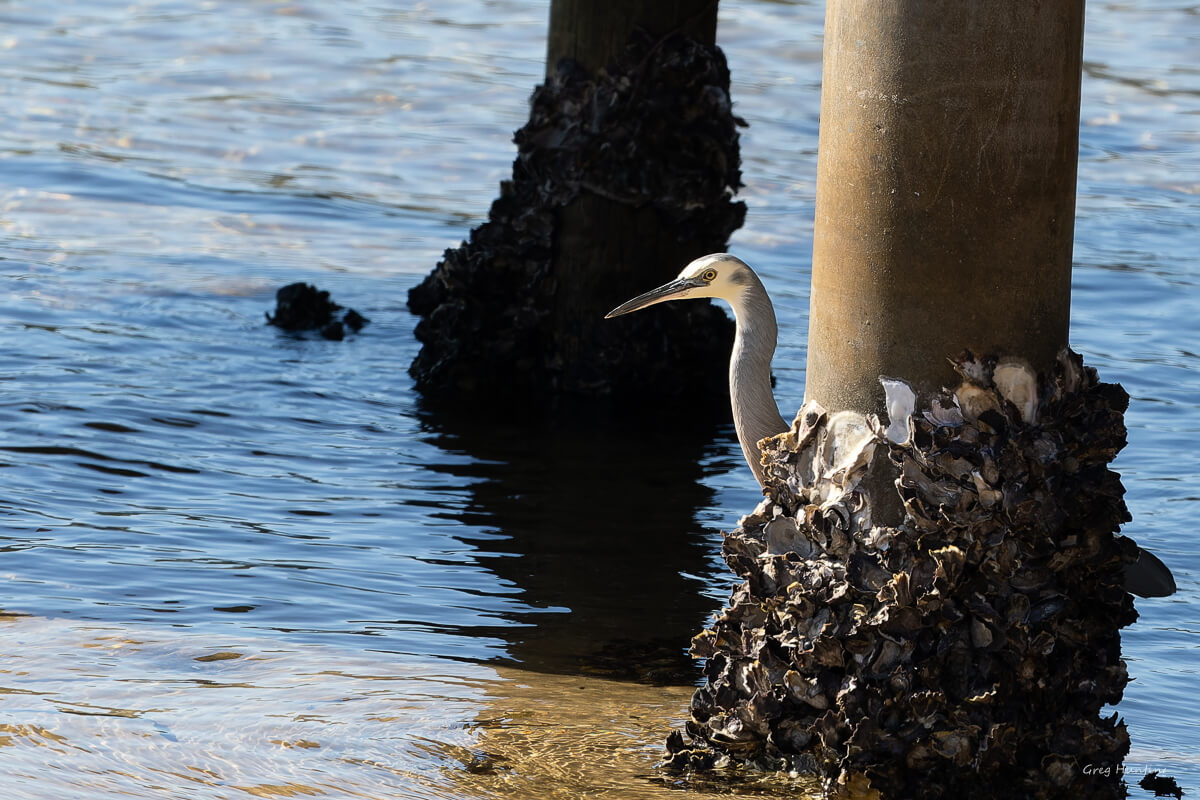
The White-Faced Heron is a very common sight along the coast and in wetlands. They spend their time hanging about in the shallows fishing (what a great life!). This one was hiding under an old pier on Merimbula Lake waiting for some tasty morsel to swim by. There are several ways herons catch their food – by walking and splashing to disturb prey, searching along rocks and crevices or, like this one, pretending to be invisible until breakfast swims close by.
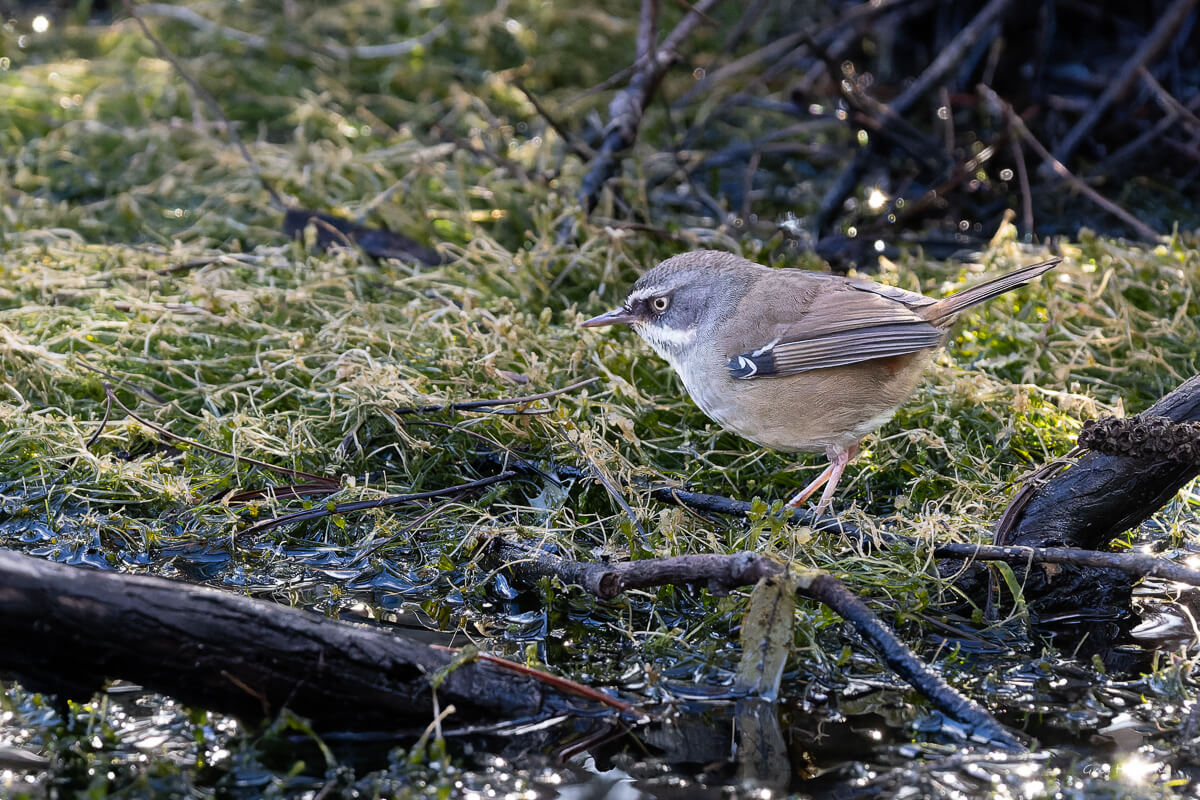
A very serious looking White-browed Scrub Wren obviously focused on catching a juicy snack. They’re a very busy little bird, constantly hunting in the leaf-litter of the forest floor for insects.
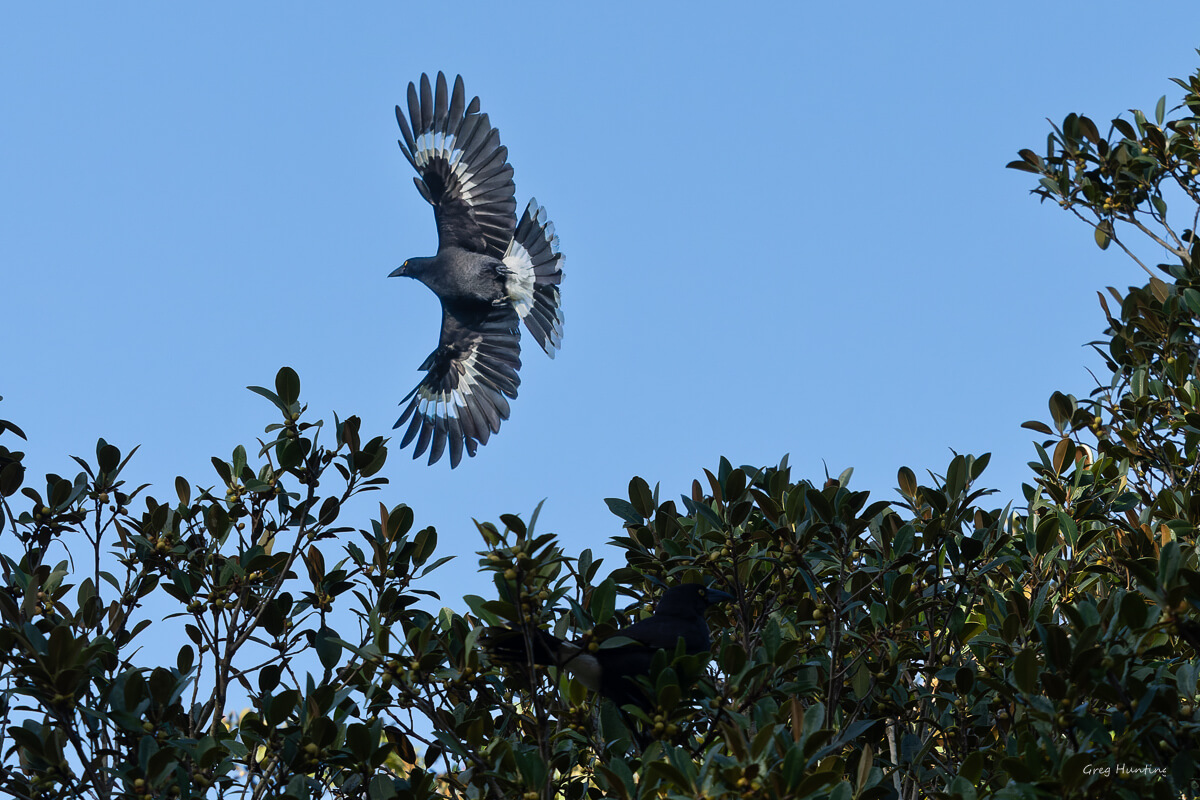
Pied Currawongs don’t show off their white feathers when sitting around your garden, but on the wing, their black and white plumage is quite striking. They eat just about anything from lizards to insects, berries and other smaller birds. They’re even been known to take small possums, and like their butcher bird cousins, they hang their larger prey in a tree to feed on later. So, if you see any dead possums hanging about……..
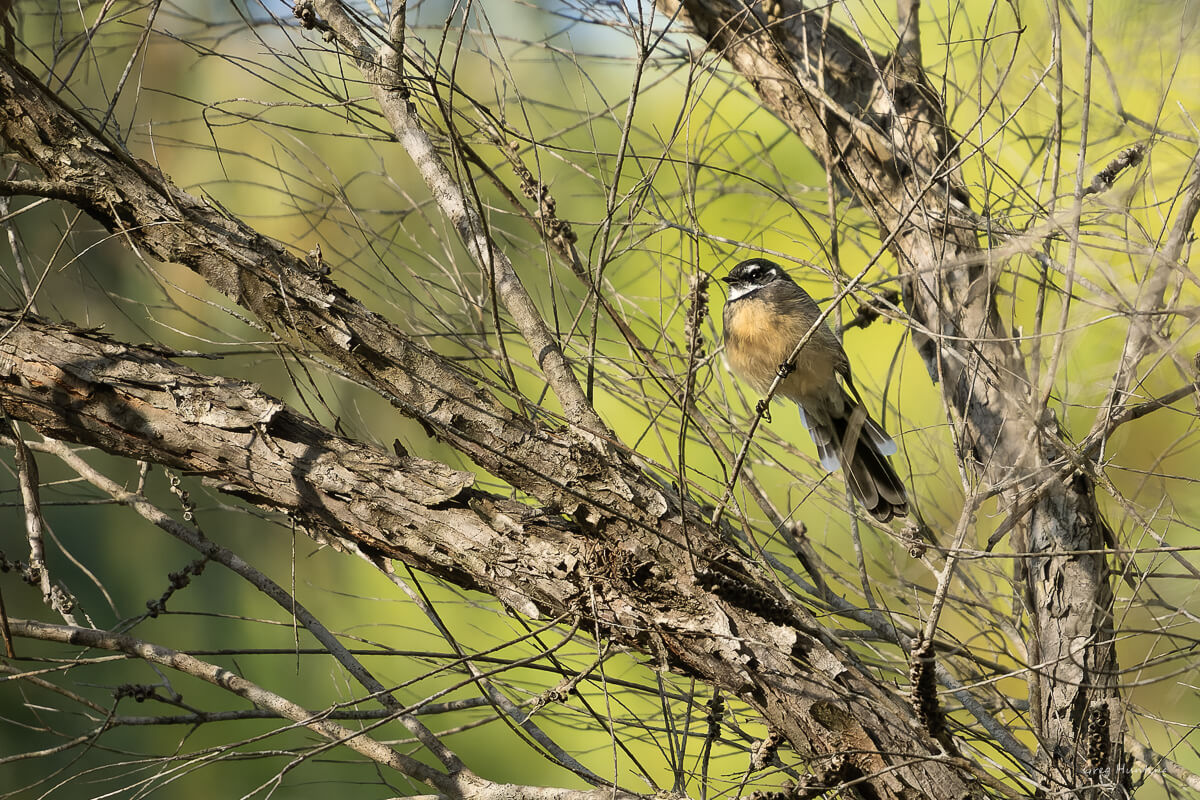
The Grey Fantail is a common and very active small bird seen dashing and darting about catching insects just like its close relation, the willy wagtail. This guy was hiding out among the twigs and branches of a low bush keeping one eye on me and the other out for prey.
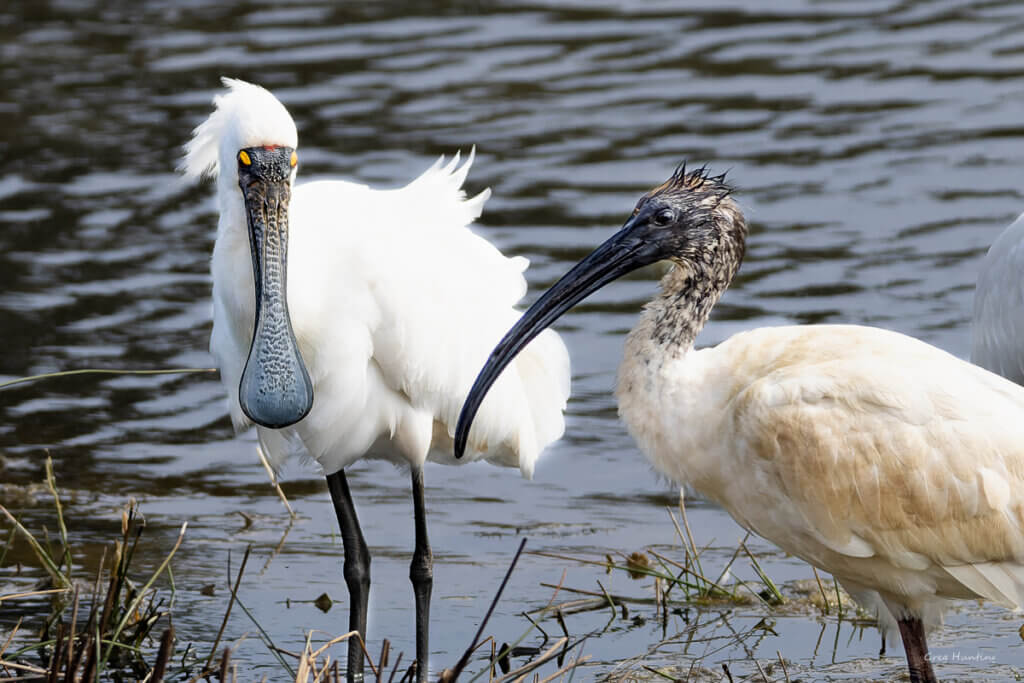
You might also like to check out Lake Curalo in Eden in southern New South Wales. With wooden boardwalks beside the lake and a wide variety of birds it’s a very pleasant place to take a stroll. Just click on the Spoonbill and its close cousin, the Sacred Ibis.