
It’s well and truly autumn, an in between time when migratory birds are on the move, usually north for warmer weather. Most of the wildlife you find locally are the stayers. This is their home and this is where they plan to weather, you could say, the colder weather. This month’s autumn post includes a lot of locals. I hope you enjoy them. gh
(click on images to enlarge)
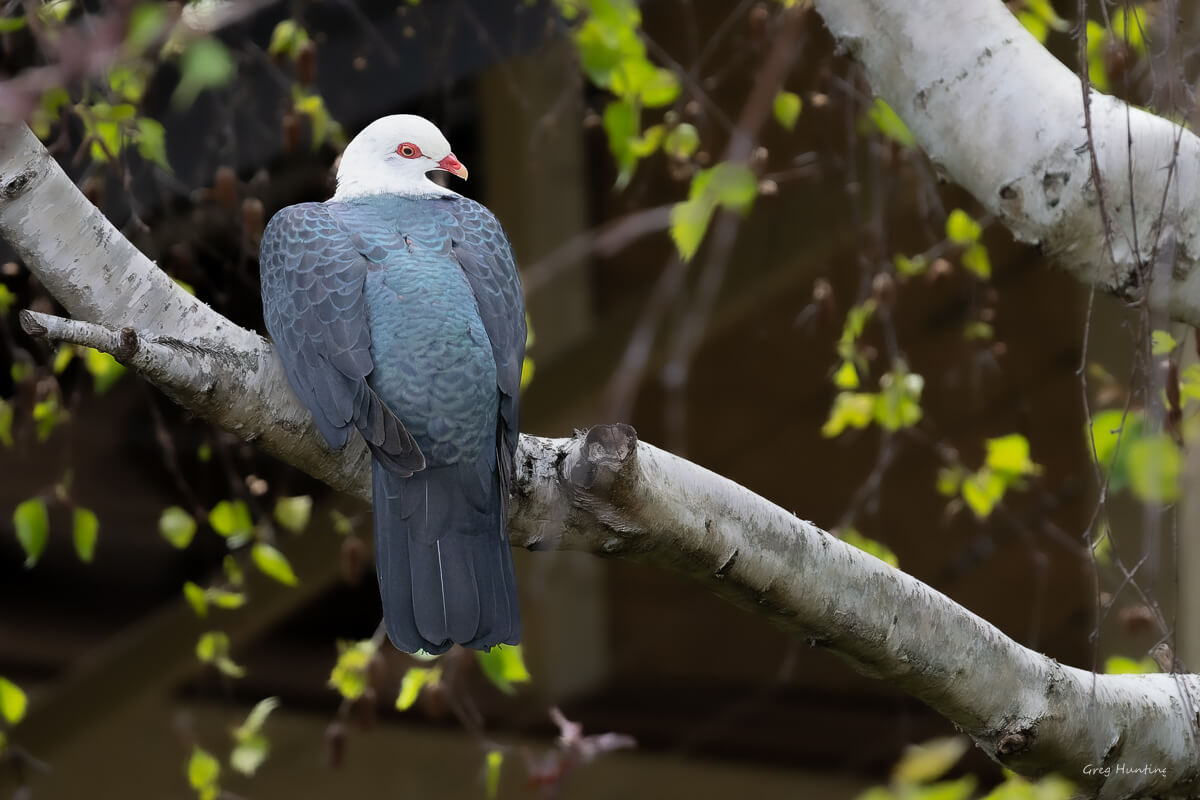
The White-headed Pigeon isn’t usually found hanging around suburban gardens, although this one was. They prefer tropical to sub-tropical rainforests, but there’s always an exception. Their favourite snacks are camphor laurel trees, and while the pigeons are native to Australia, the camphor laurels are not. They were introduced from Asia in 1822 and escaped from the Brisbane and Sydney botanical gardens in the mid-1800s. They’re considered a noxious weed in many places but despite this they turn up in suburban gardens everywhere and when they do, often so do white headed pigeons.
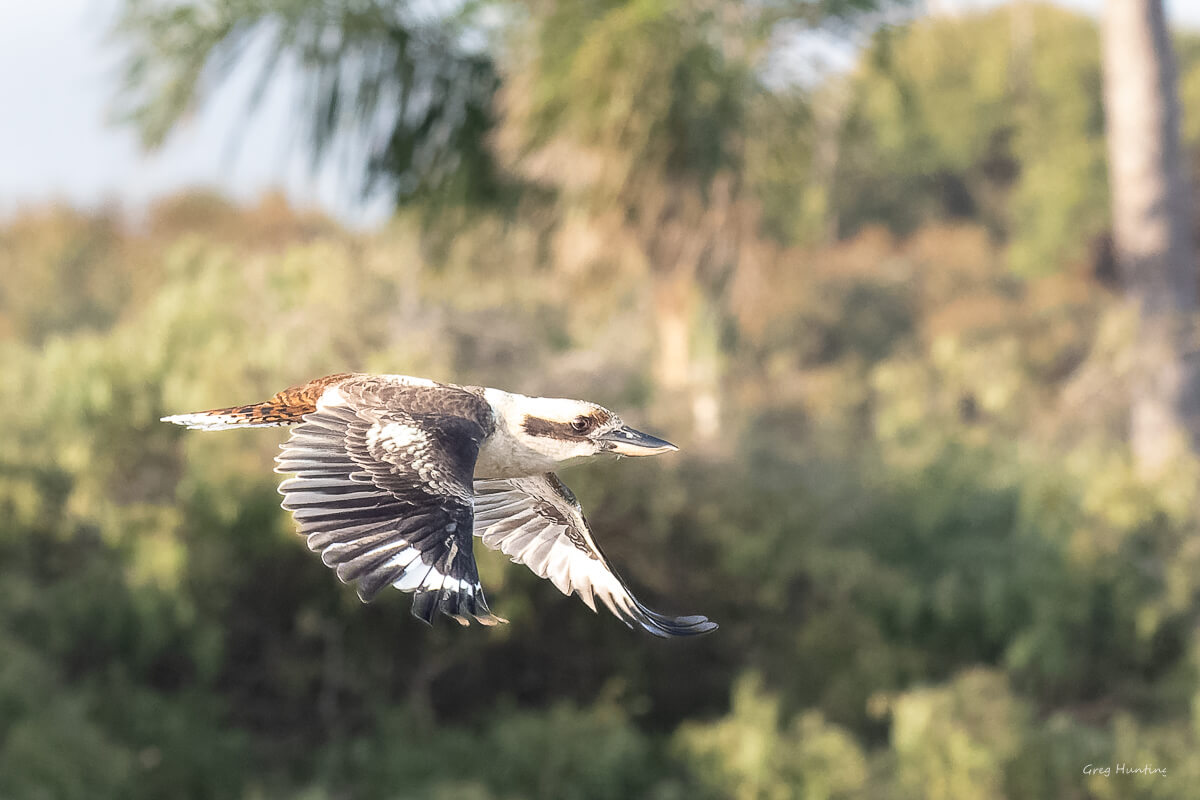
There’s something very purposeful about the flight of a Kookaburra. Very focused on whatever target has been chosen. As the largest of the kingfisher family, they’re great hunters, so the point of focus is usually an unsuspecting meal!
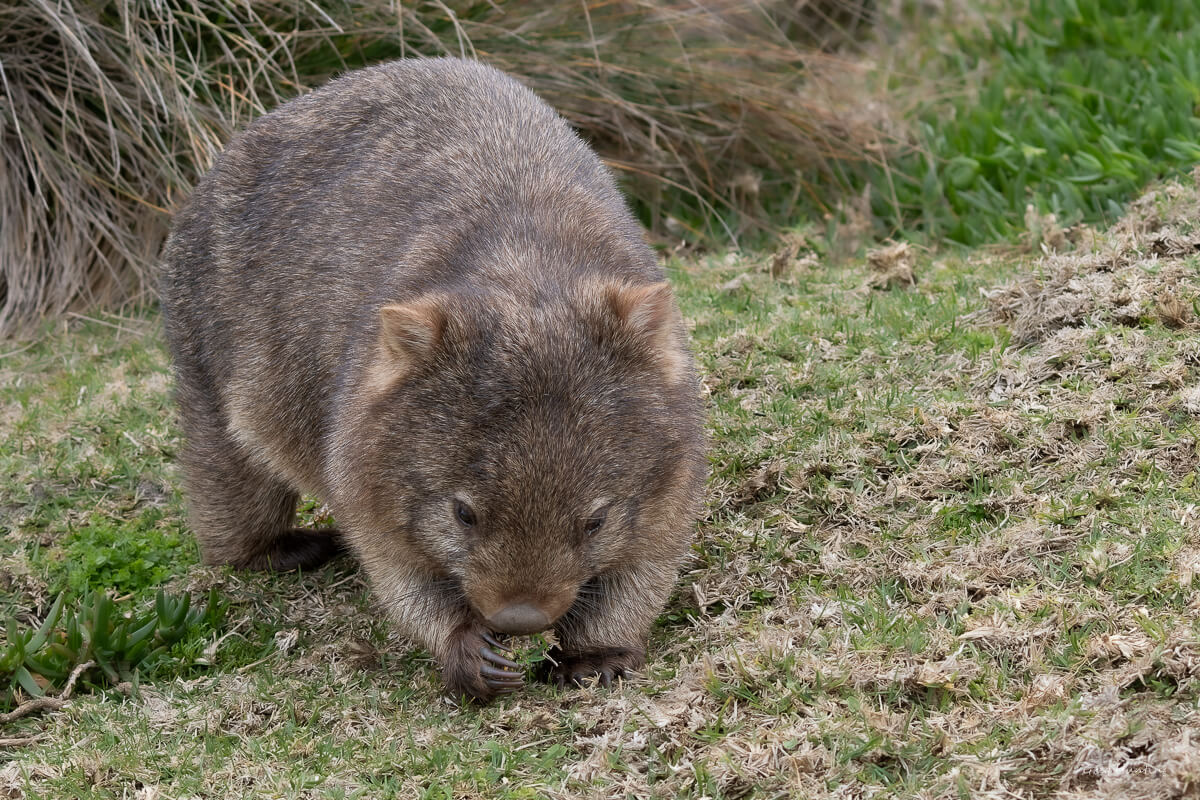
Funny who, or what, you run into in the bush. After a fruitless search for some shots of resident sea eagles at Green Cape Lighthouse, I stumbled on this little fellow on my way back to the car. It was the middle of the day, an unusual time to find a Wombat out and about and this was a very relaxed wombat, completely ignoring me, grazing happily (do they graze?) just a few feet from where I settled to watched for half an hour. Oh, and did you know, wombats do square poops.
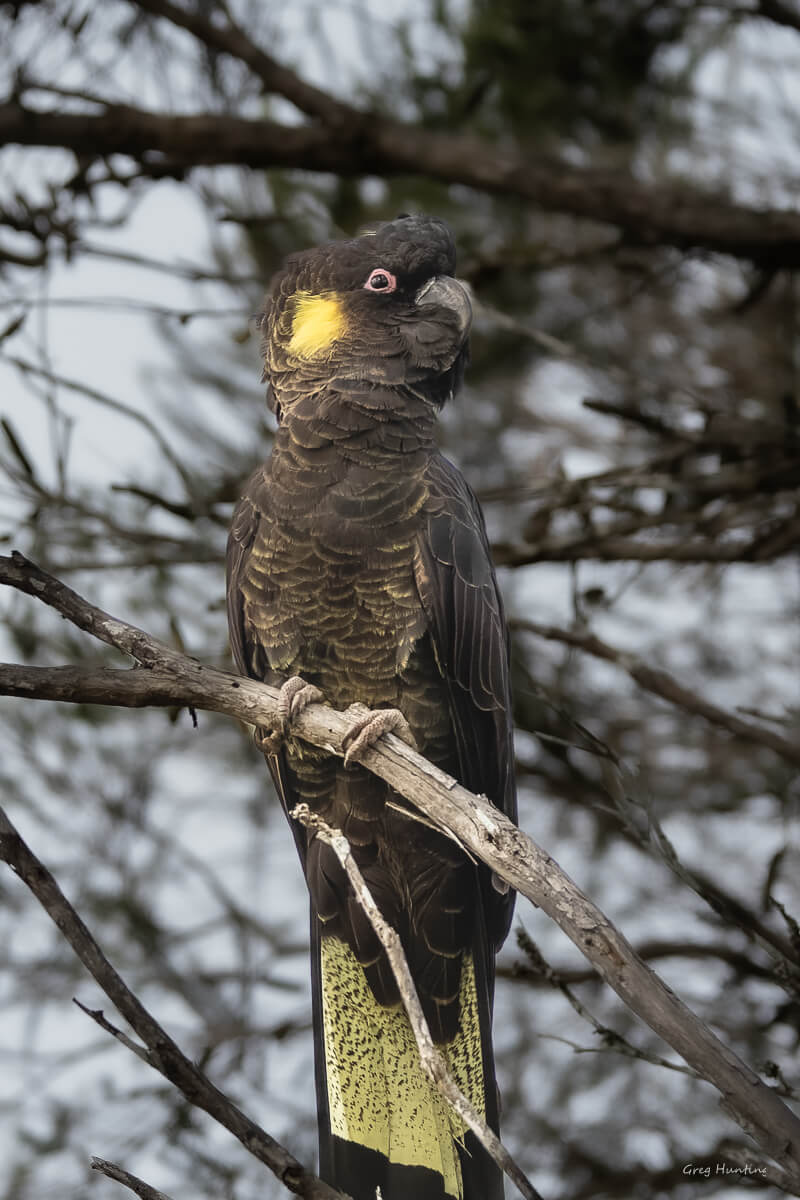
The Yellow-tailed Black Cockatoo is a personal favourite. Their call can best be described as wailing, and they are often in small flocks calling to each other. They feed on banksia and hakea trees and occasionally eat pinecones. Many believe they appear before rain but, spoilt sports that they are, scientists claim they can find no link between these guys and the weather. Scientists once thought the earth was flat too, so who knows?
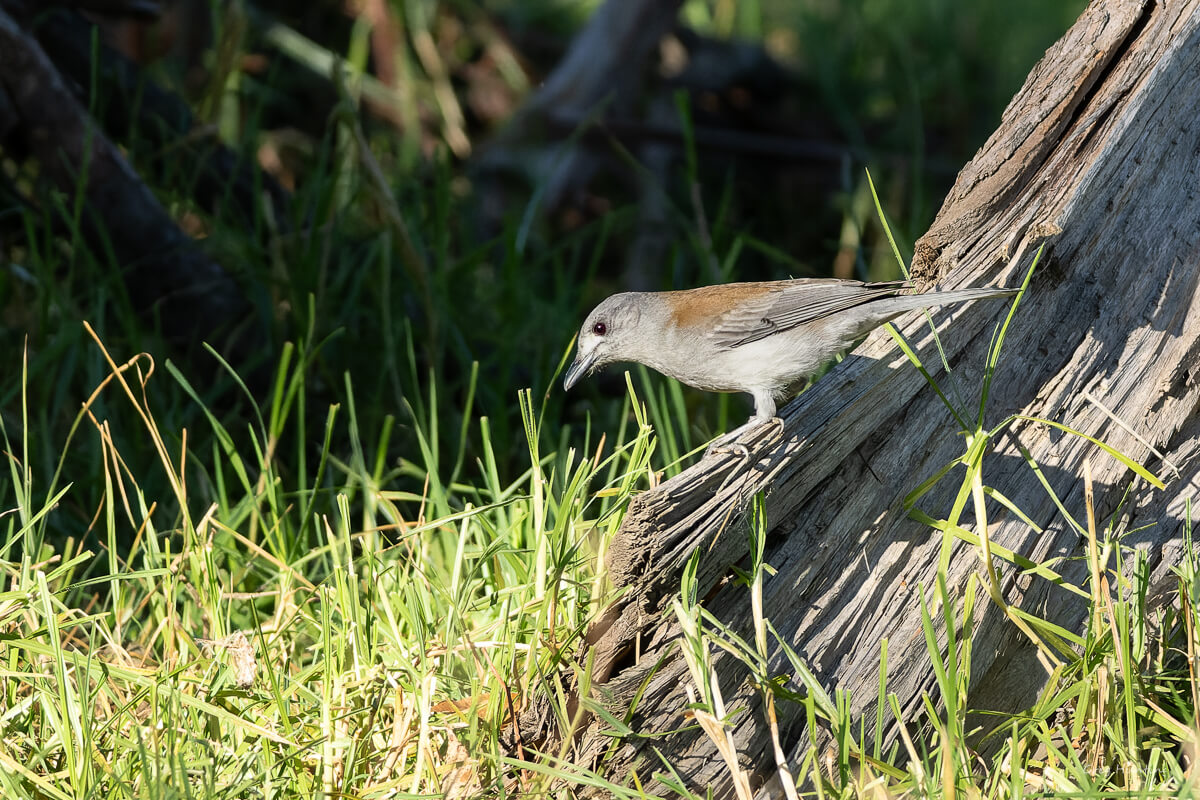
The Grey Shrike Thrush (try saying that in a hurry!) has a fine singing voice and is widespread in Australia. They mate for life and are a stay-at-home bird living and maintaining the same area (usually around 10 hectares) for much of their lives. They can get quite used to humans and feed on the ground and in the bark of trees, as this one was.
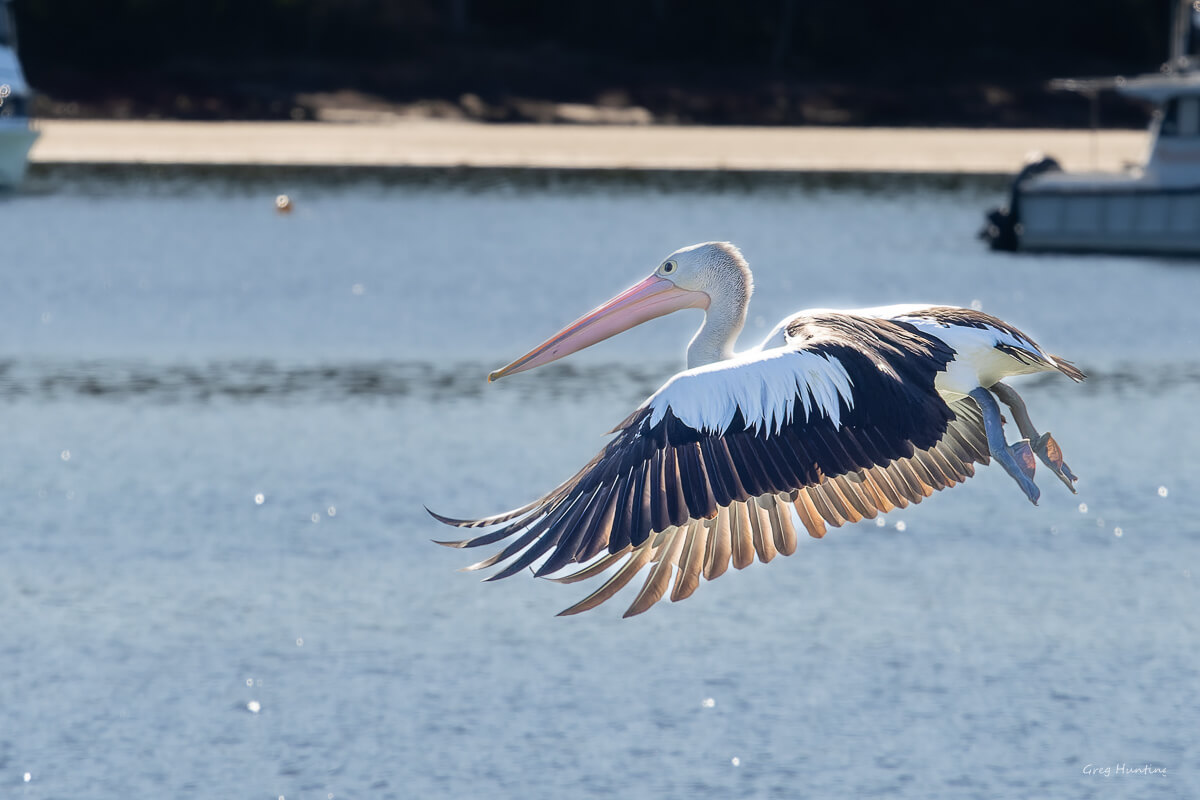
An Australian Pelican in flight with the sun highlighting the wings. They’re a very common sight all over Australia but what you may not know is they are living fossils. The oldest pelican fossil was found in France and was 30-million years old and very well preserved. They haven’t changed much in all that time, still about the same size and appearance. They are real survivors of the animal world.
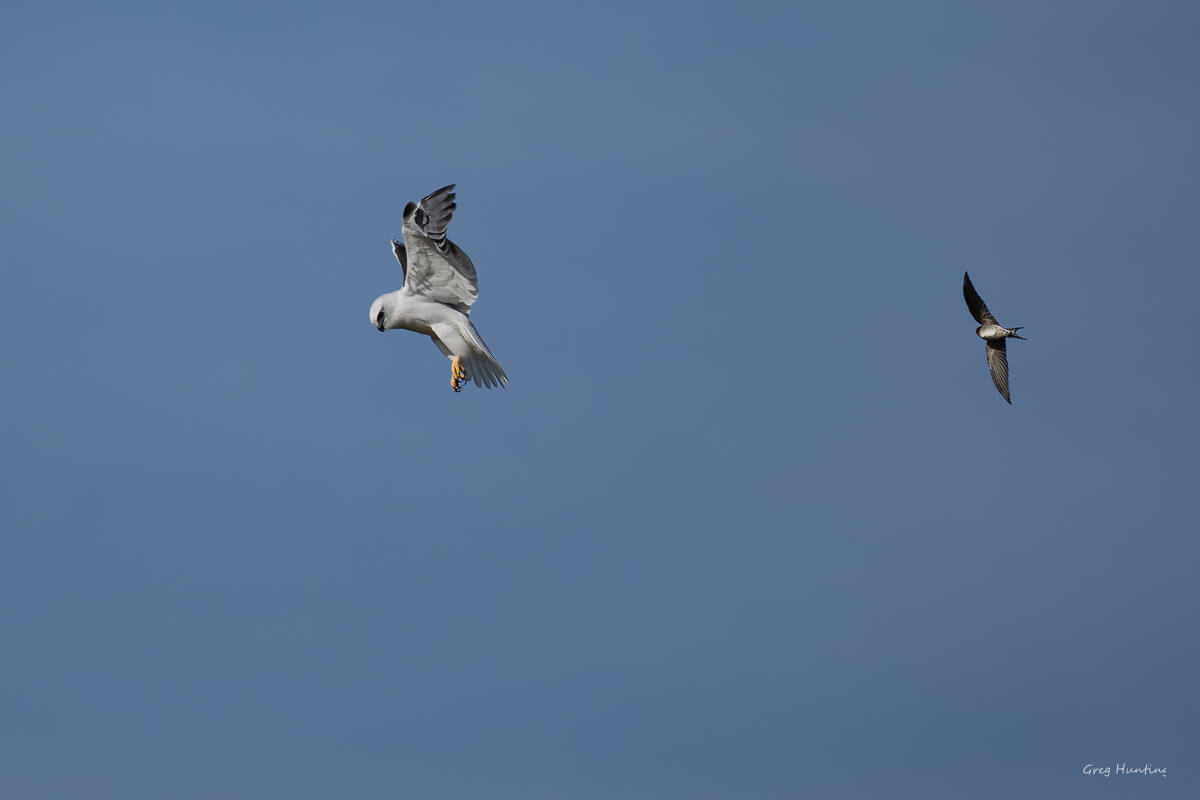
The Black-shouldered Kite is one of Australia’s most attractive small raptors. Mice make up about 90% of their diet but they also eat grasshoppers, rats, small reptiles and small birds, which is why the Welcome Swallow’s interest in the kite probably was not such a great idea.
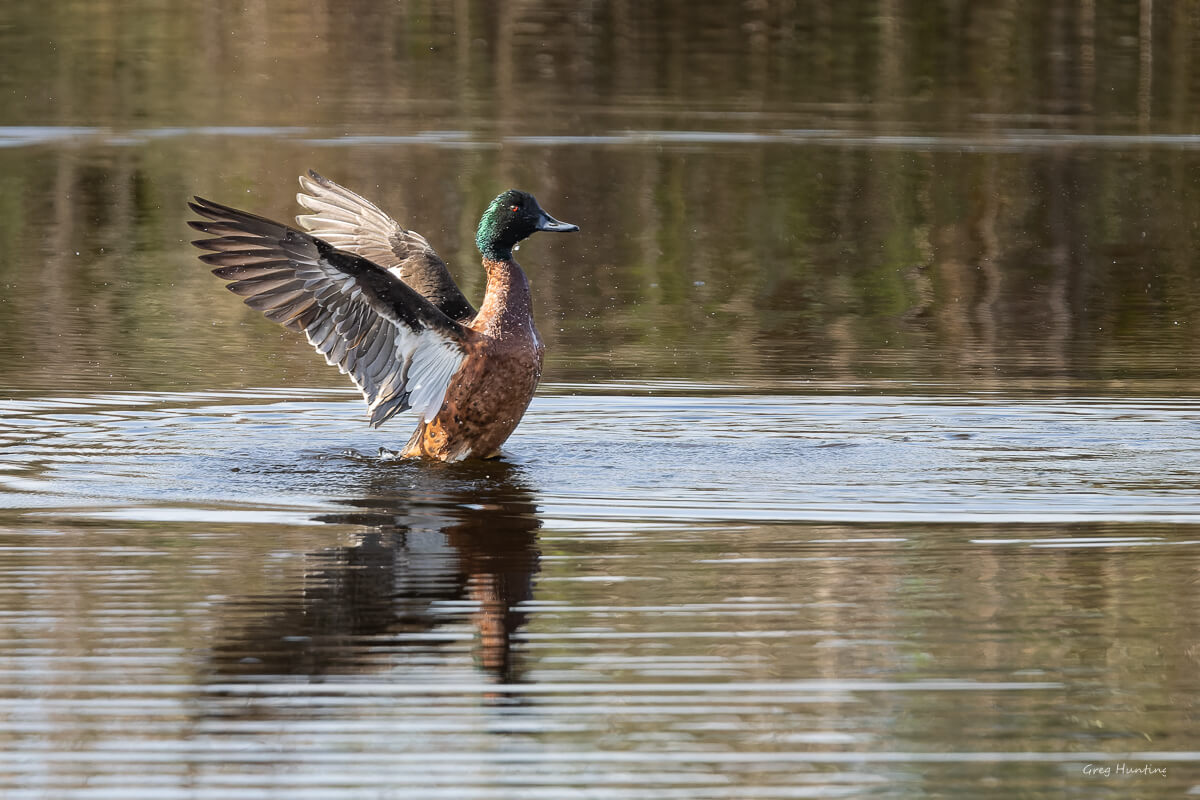
One of the 20 species of wild ducks found in Australia, the Chestnut Teal is officially listed as a dabbling duck. This one, however, was doing a spot of diving and was caught flapping his wings to dry them after surfacing.
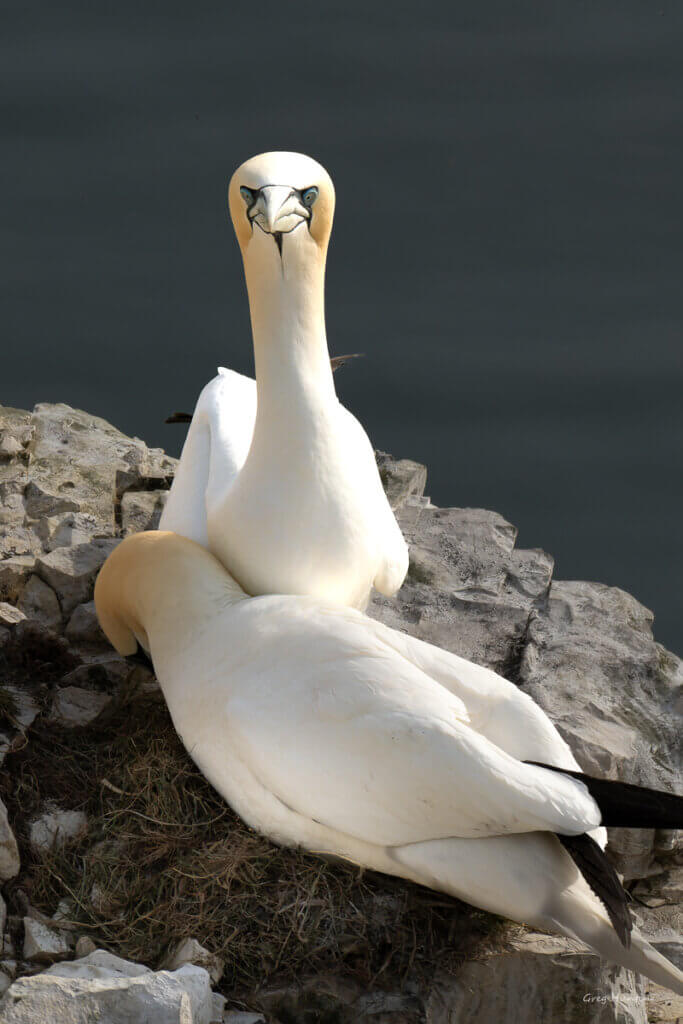
This Northern Gannet is definitely not from around here. It’s from the Special Places collection and is one of my all-time favourite birds. He’s keeping watch while his mate appears to be sleeping on their nest. I took this image at a place called Bempton Cliffs in Yorkshire in the U.K. in May last year. Click on the gannets and a link will take you to images from that trip.
If you haven’t already, subscribe below to be notified when the next monthly Post is online. Your email will not be shared or used for any marketing, and you can unsubscribe at anytime.