
Still waiting for autumn to arrive on the far south coast of New South Wales. It’s been a pleasant, almost summery time with plenty to point the camera at. gh
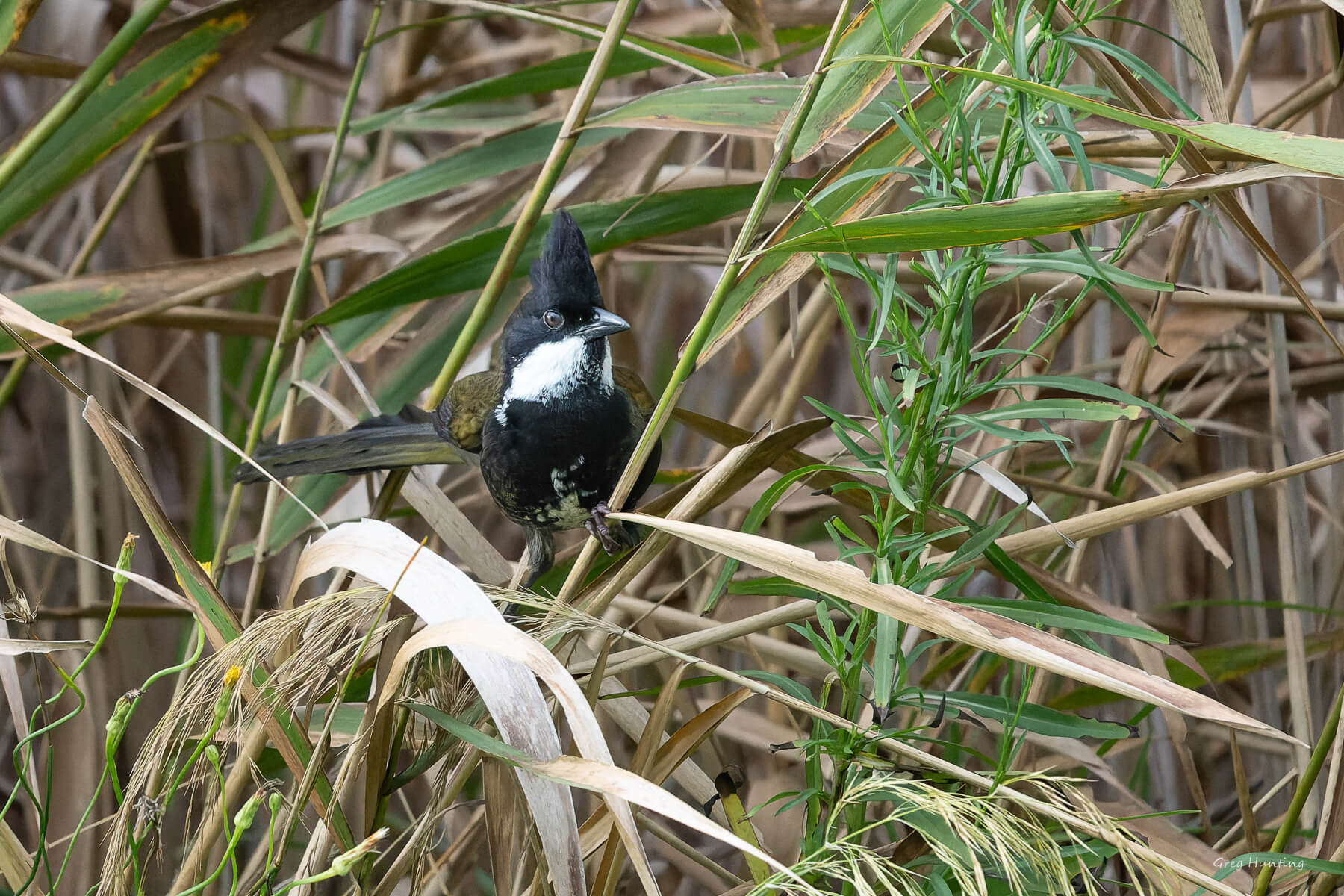
You hear them but how often do you see them? The eastern whipbird, with its distinctive, loud whip-crack call is found in forests all over eastern Australia. You certainly know they’re there but surprisingly many people say they’ve never seen one. If that’s the case, now you have.
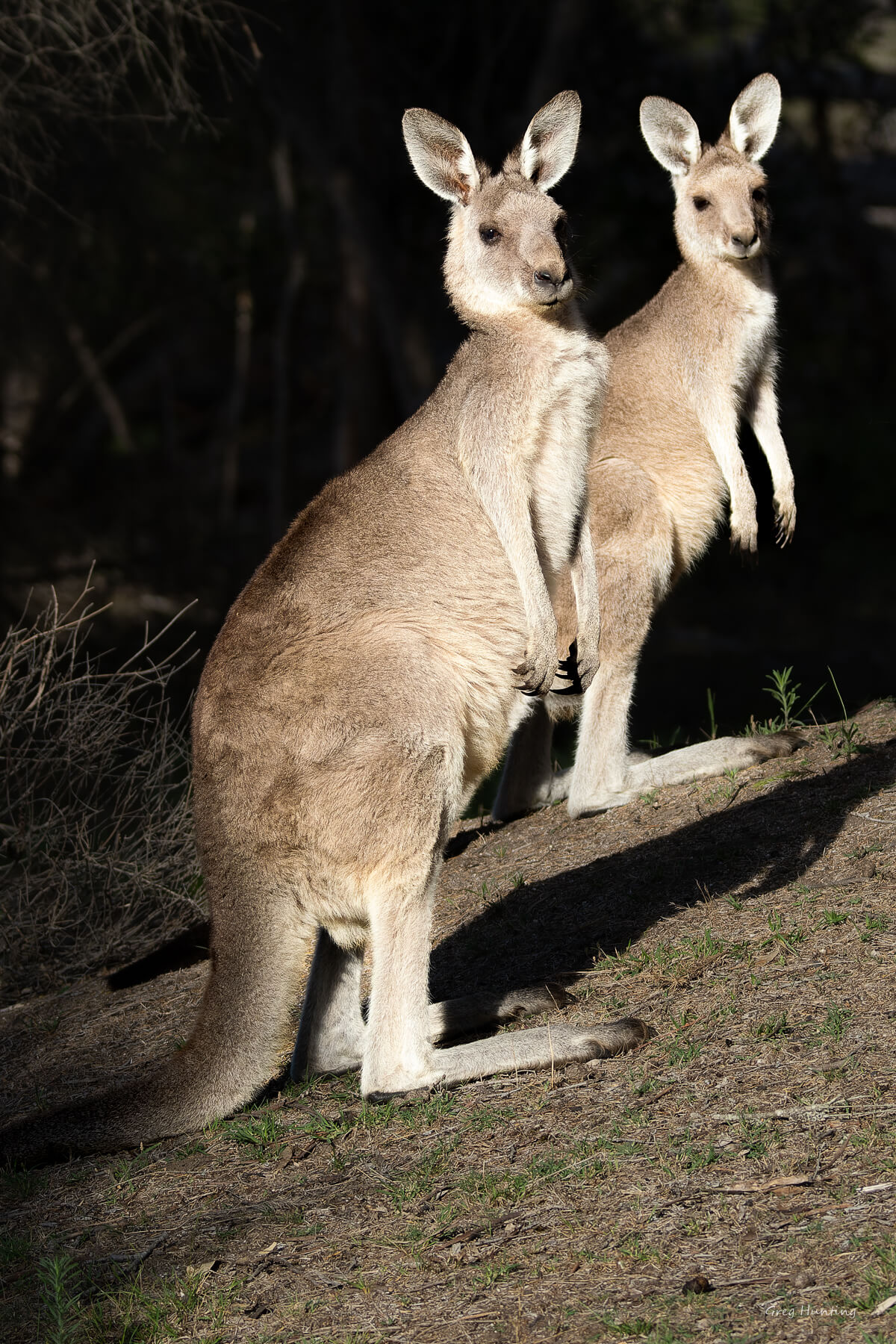
Early morning and these eastern grey kangaroos were catching a little sun. Eastern greys are common in our area, found in paddocks, on golf courses, reserves, parks and even backyards!
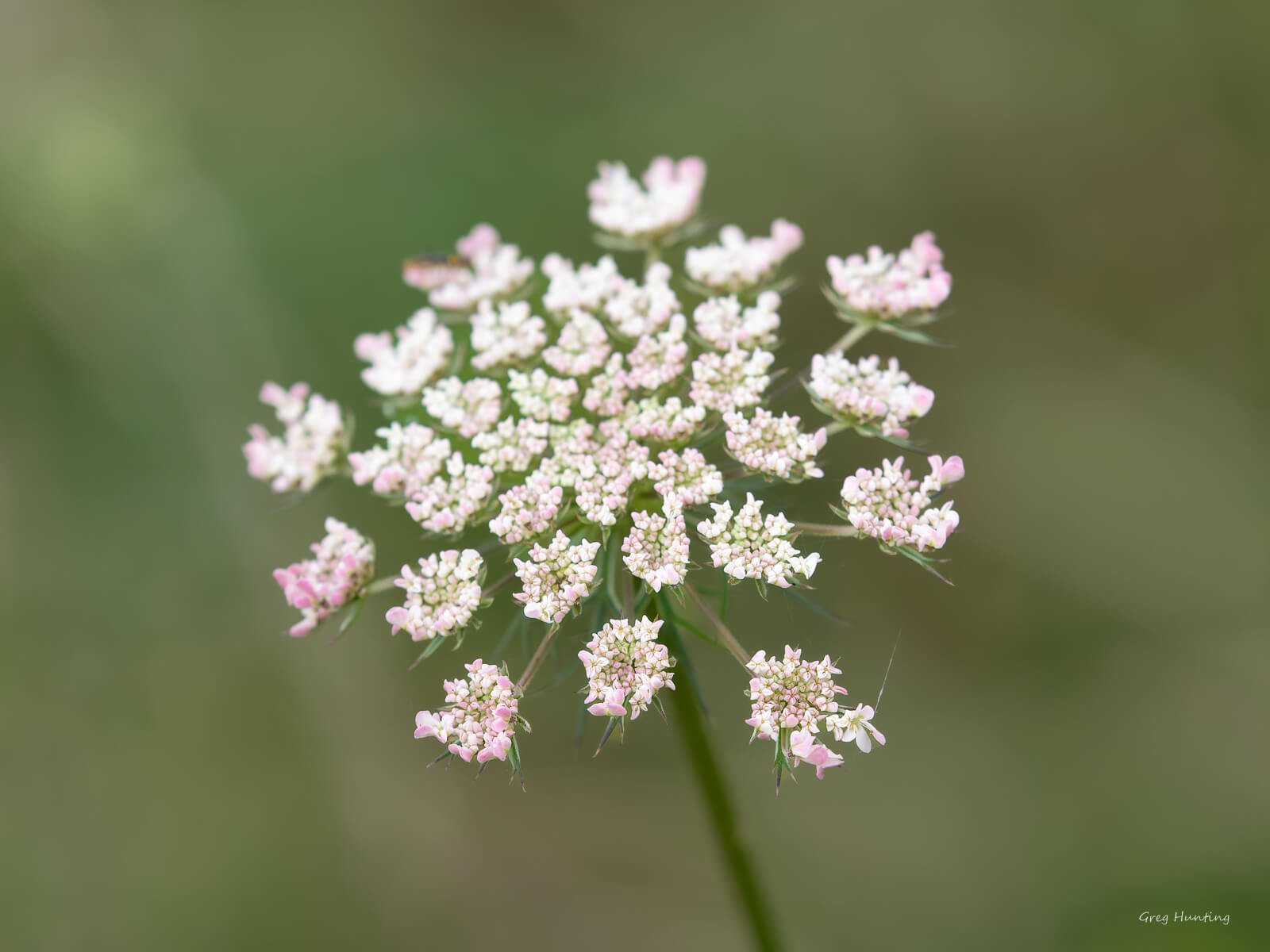
Weeds can be pretty when flowering. This one is Wild Carrot (Daucus carota) and although it’s found along the east coast of Australia, it is not a native. It was brought to Australia by early settlers between 1786 and 1798 for food. Unfortunately, as with many imports it quickly got out of hand and there are now programs to control its spread.
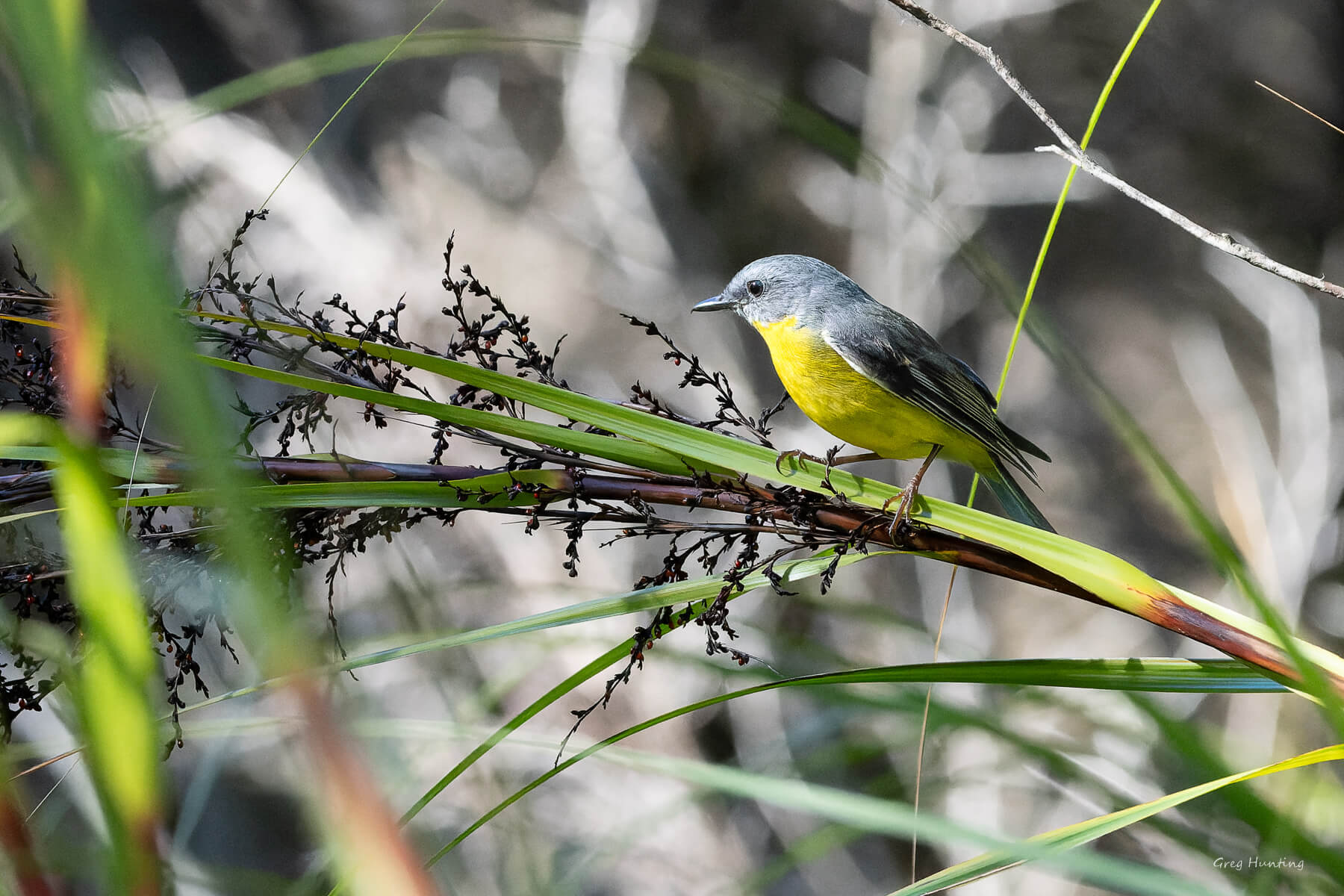
Another “eastern”. This time an eastern yellow robin. They’re a common bird and quite friendly, often sitting on a low perch watching bushwalkers and gardeners. Despite their dainty appearance, they’re very effective as perch-and-pounce hunters, sitting, waiting to pounce on any passing insects.
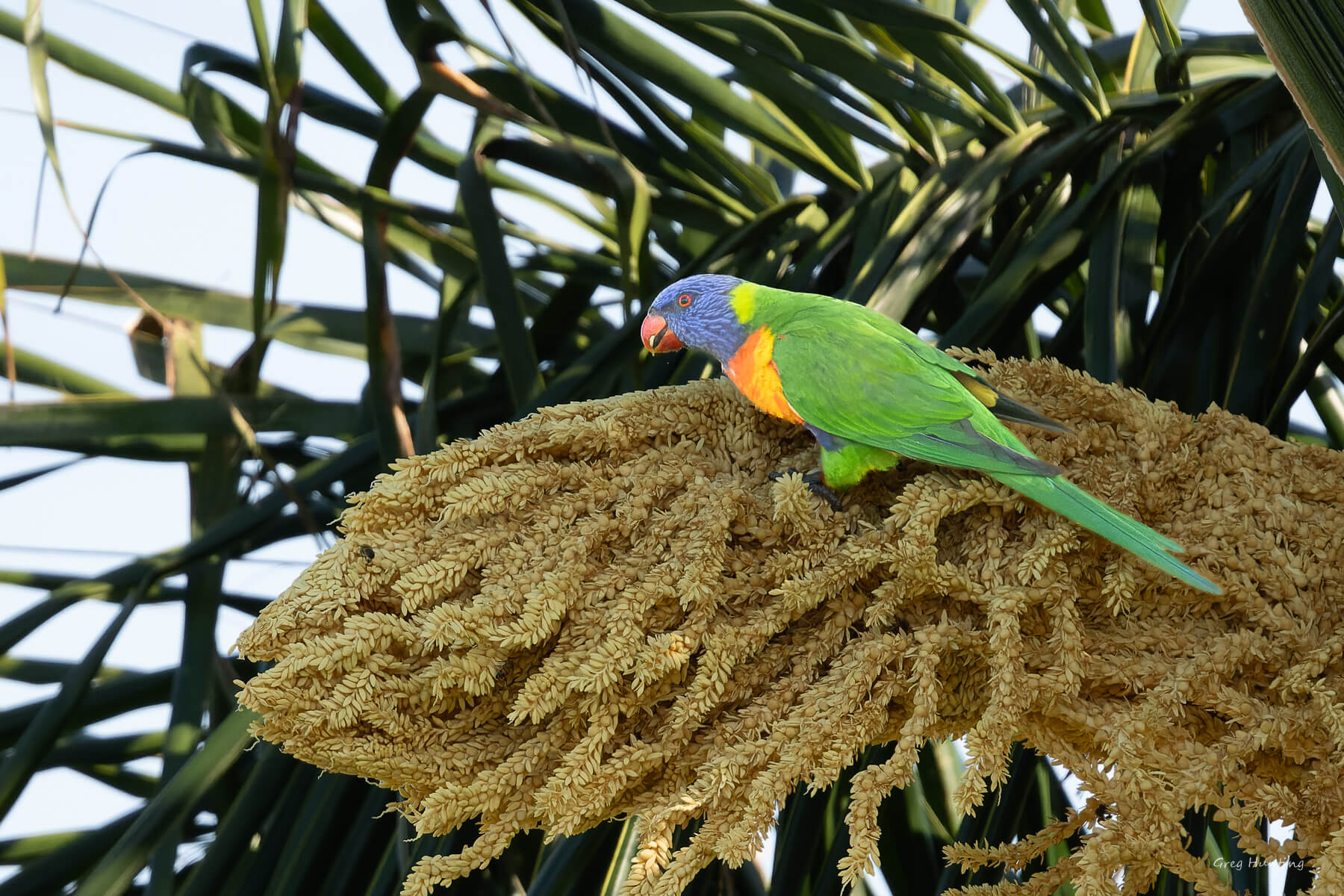
A rainbow lorikeet making the most of a palm tree seeding. Palm trees don’t seed for long and lorikeets, who love the seeds, are often seen checking out the trees around seeding time, waiting for the pods to burst open, and when they do, it’s party time!
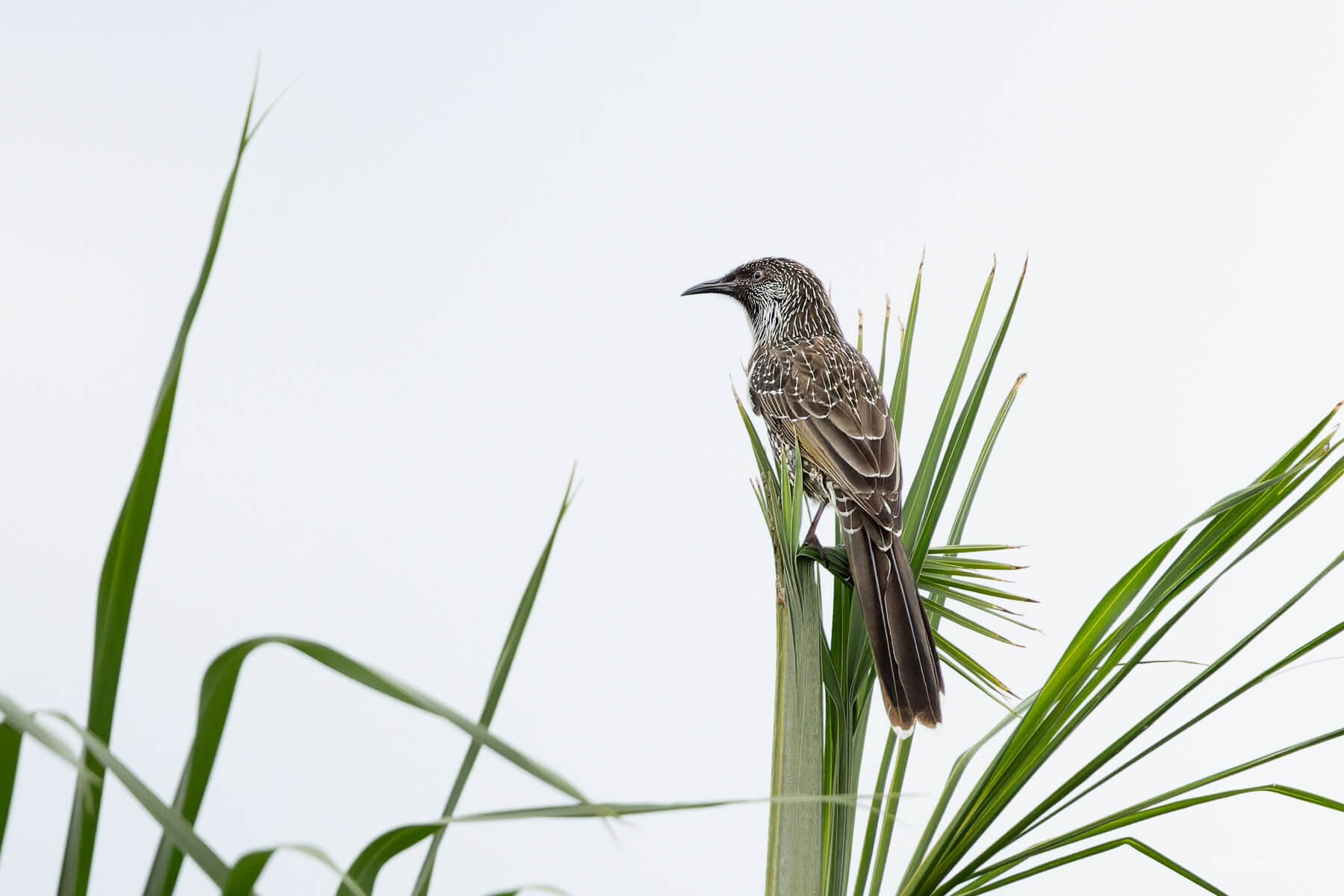
A real favourite, the little wattlebird is a honeyeater resident throughout the far south coast of New South Wales. They’re hard to miss as they’re noisy, playful, enjoy chasing each other around particularly near sunset, are into communal bathing (in our water feature!), and when you look closely, are much prettier than the drab brown they often seem as they speed by.
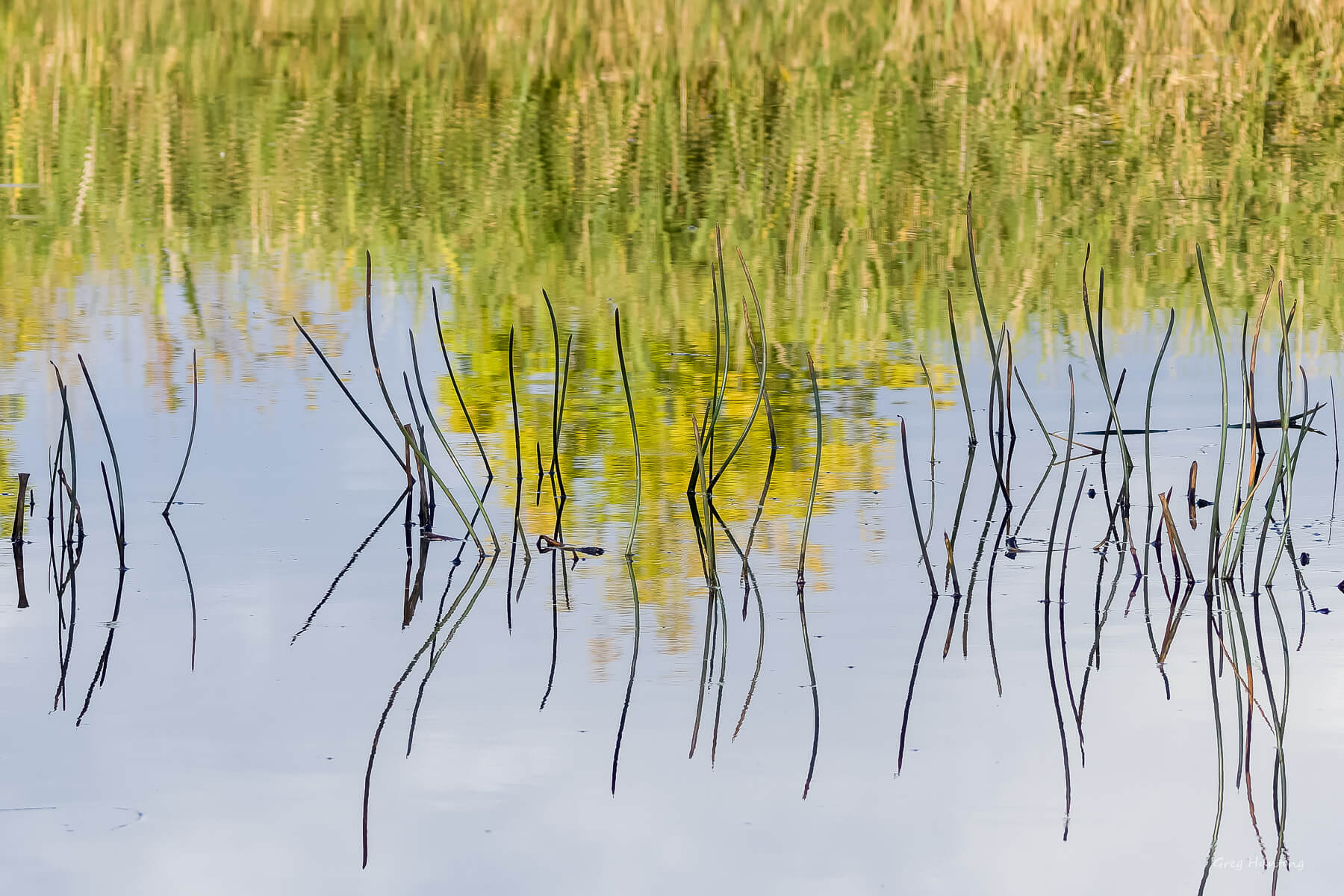
The freshwater billabong at Panboola Wetland is not only home to numerous waterbirds, it also has some beautiful scenery. This shot could almost be a painting with the reeds and reflections. A few waterlillies and perhaps a Monet?
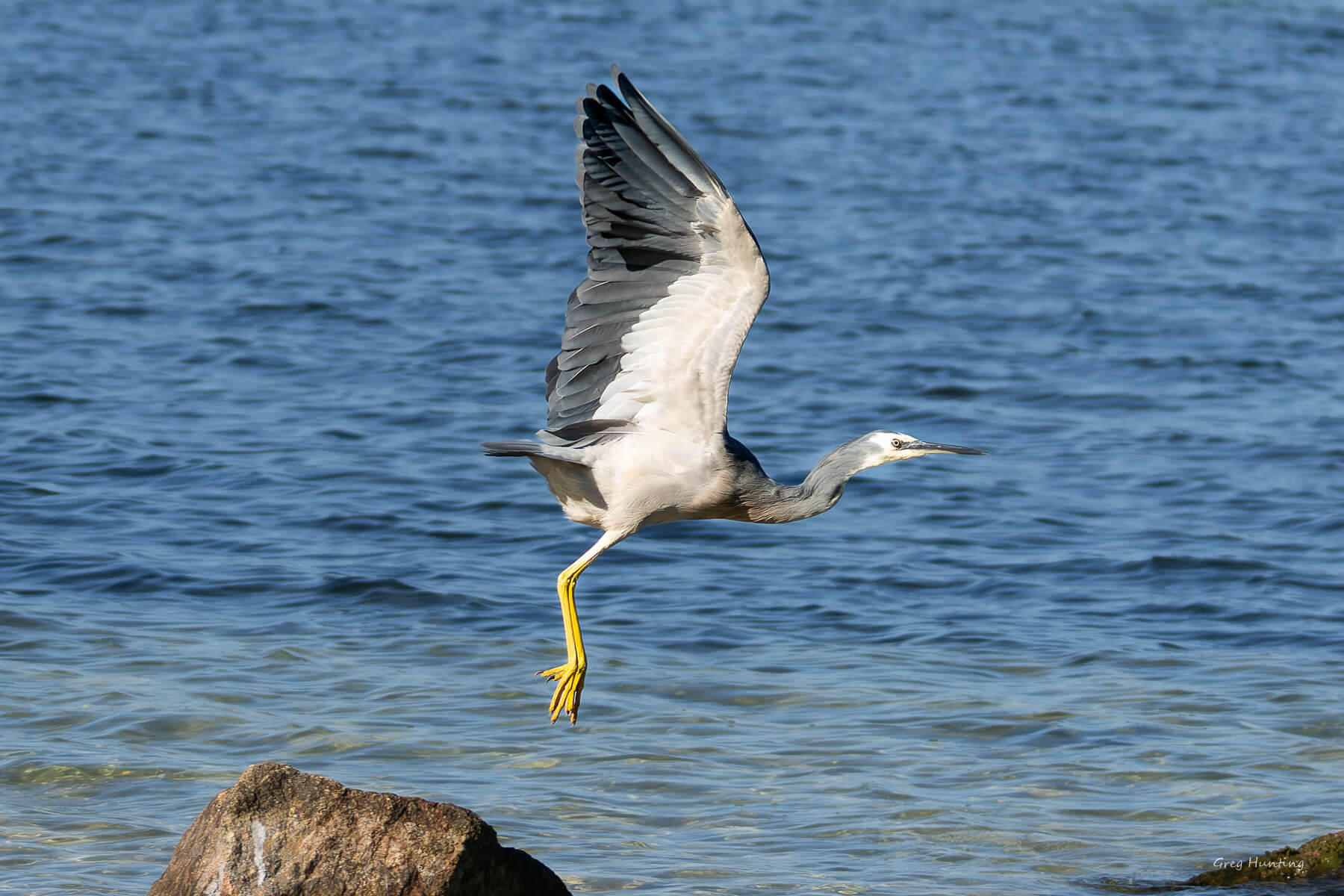
White faced herons are the most common heron in Australia and can be found anywhere there’s water. They’re great at fishing and can often be seen standing quietly in water waiting for a snack to swim by.
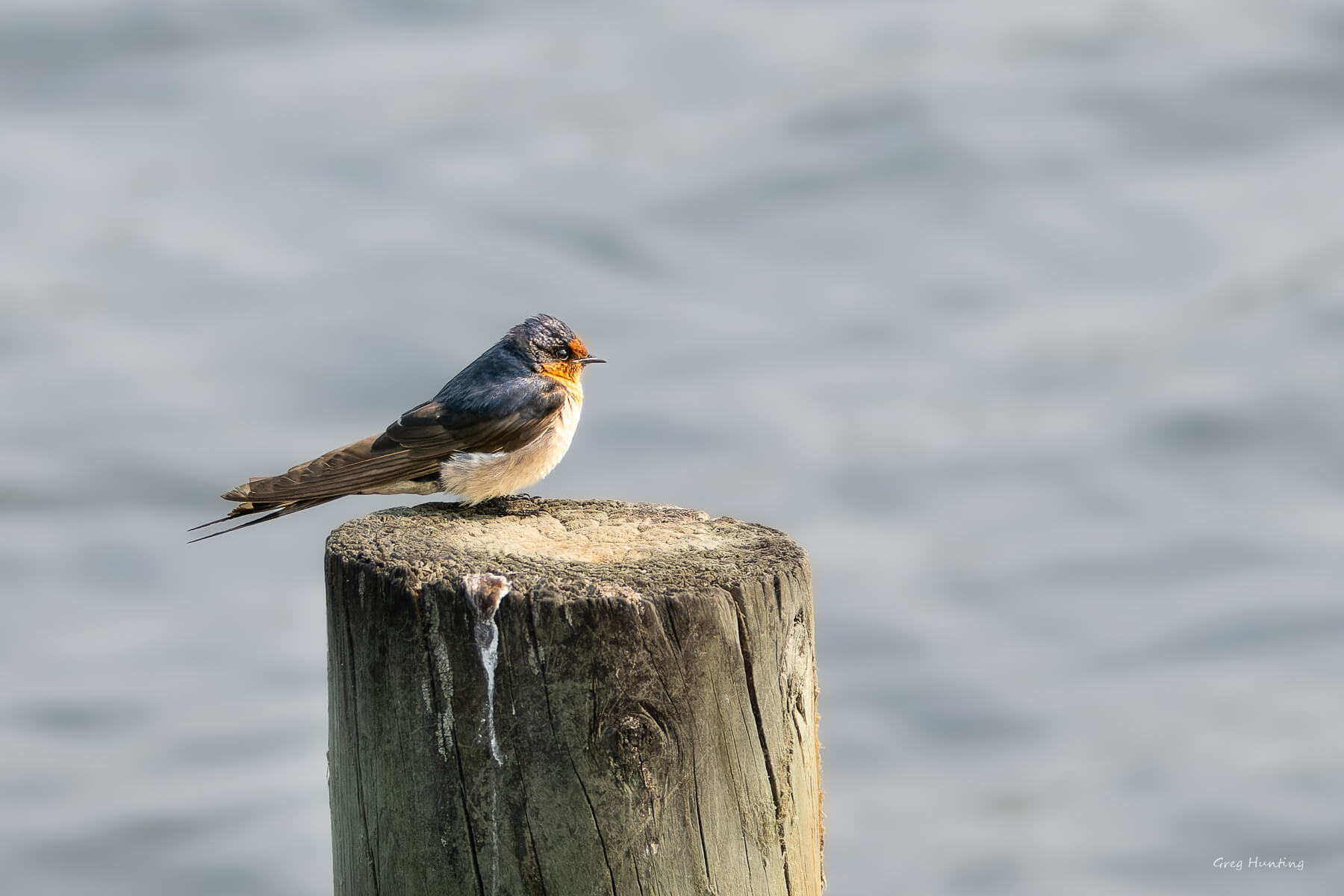
If you’ve ever tried to photograph welcome swallows on the wing, you’ll know how hard it is to catch them. Much easier to wait until they settle!
Subscribe below to be notified when the next monthly Post is online. Your email will not be shared or used for any marketing and you can unsubscribe at any time.