
April has been a quiet month with war in the middle east, fuel shortages and associated price rises! Personally it’s meant more time spent locally (not always a bad thing). The images from this month’s Post are therefore from my “local”, the far south coast of New South Wales. gh
Click on Images to enlarge
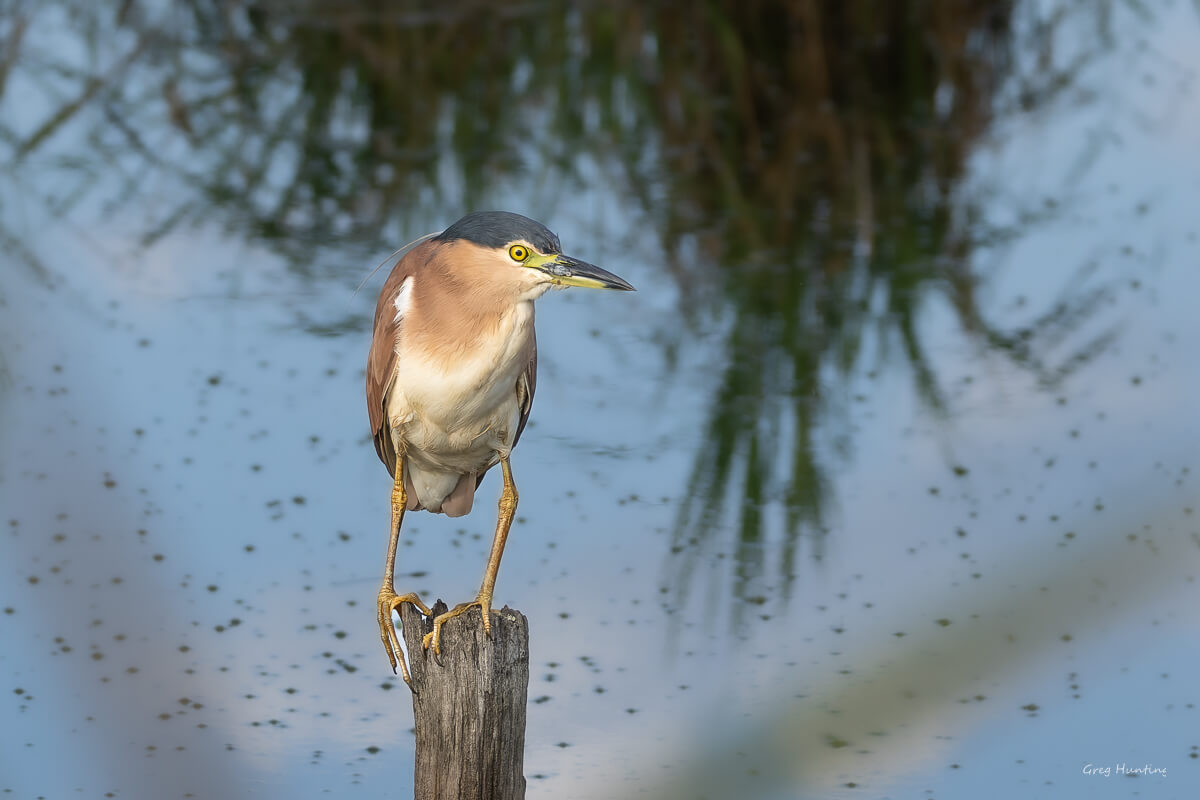
The Nankeen Night Heron, as its name and large eyes suggest, does much of its hunting at night, which is why, despite being found in waterways all over Australia, it is not seen that often. The males are a little larger than the females and have nuchal feathers hanging from their heads during breeding season, so this is a hopeful boy who posed nicely early one morning at a local wetland.
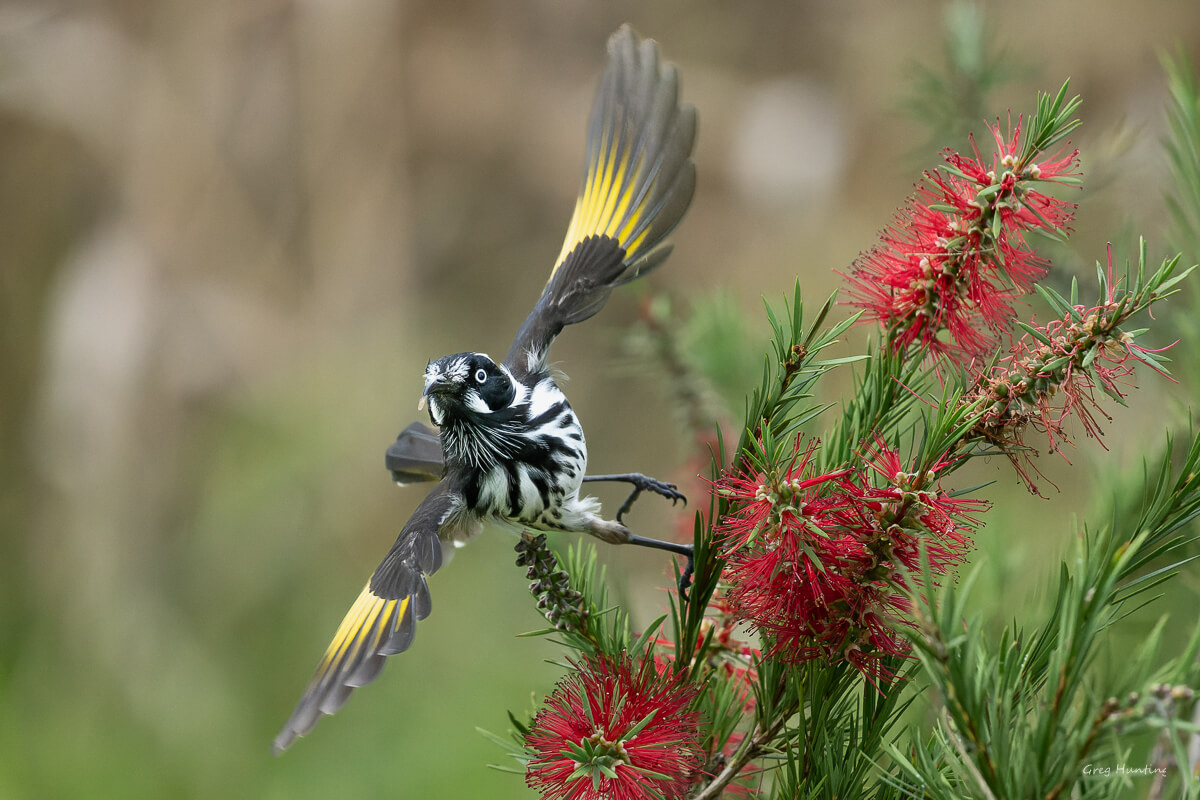
The New Holland Honeyeater is a smallish bird found across Southern Australia, usually hanging around their favourite eateries: banksia and grevillea trees. Plant one in the garden (a tree, not a bird) and you never know, you might find one (a bird, not a tree) probing for nectar in the flowers. They often mix with other honeyeaters and are curious little fellows generally unafraid of people.
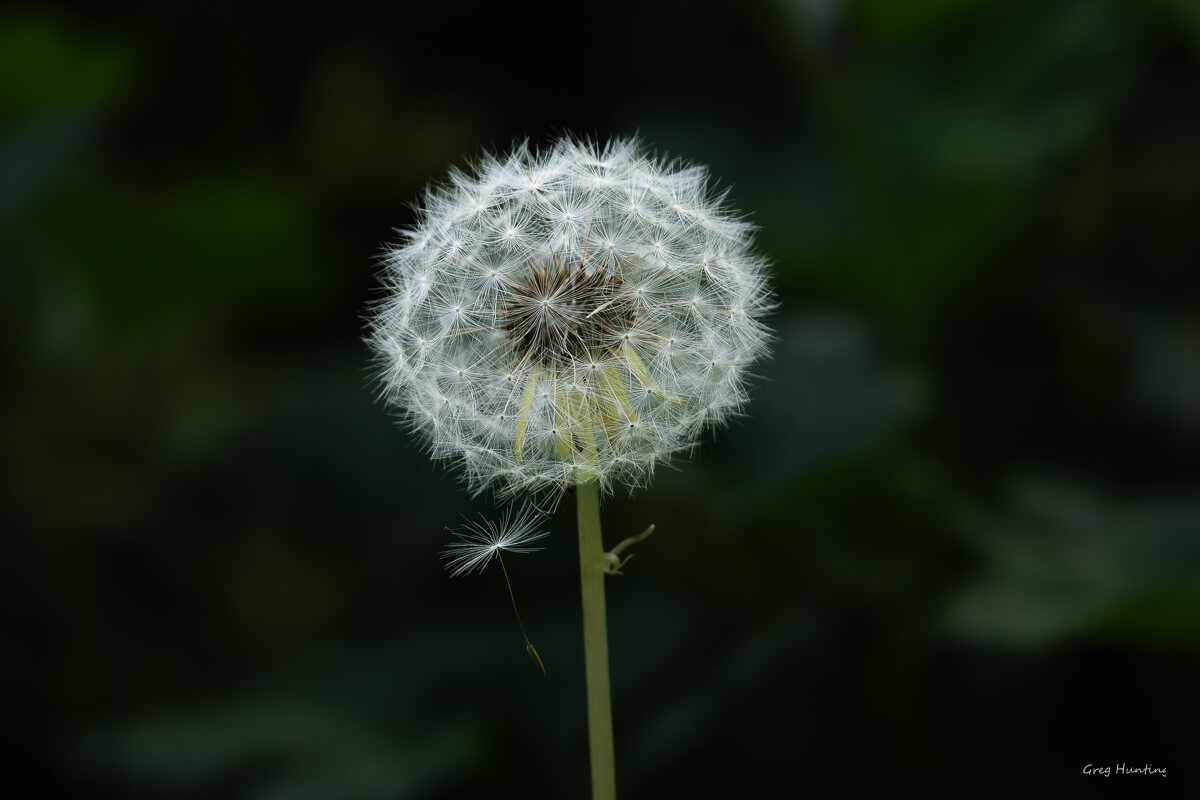
Yes, I know, it’s a common old dandelion, basically a weed, but did you know its seed-head is called a dandelion clock, and until the wind blows and scatters the seeds everywhere, it’s quite attractive. I’ve called this one ‘Leaving Home’ because the first seed from the clock is, well, leaving home.
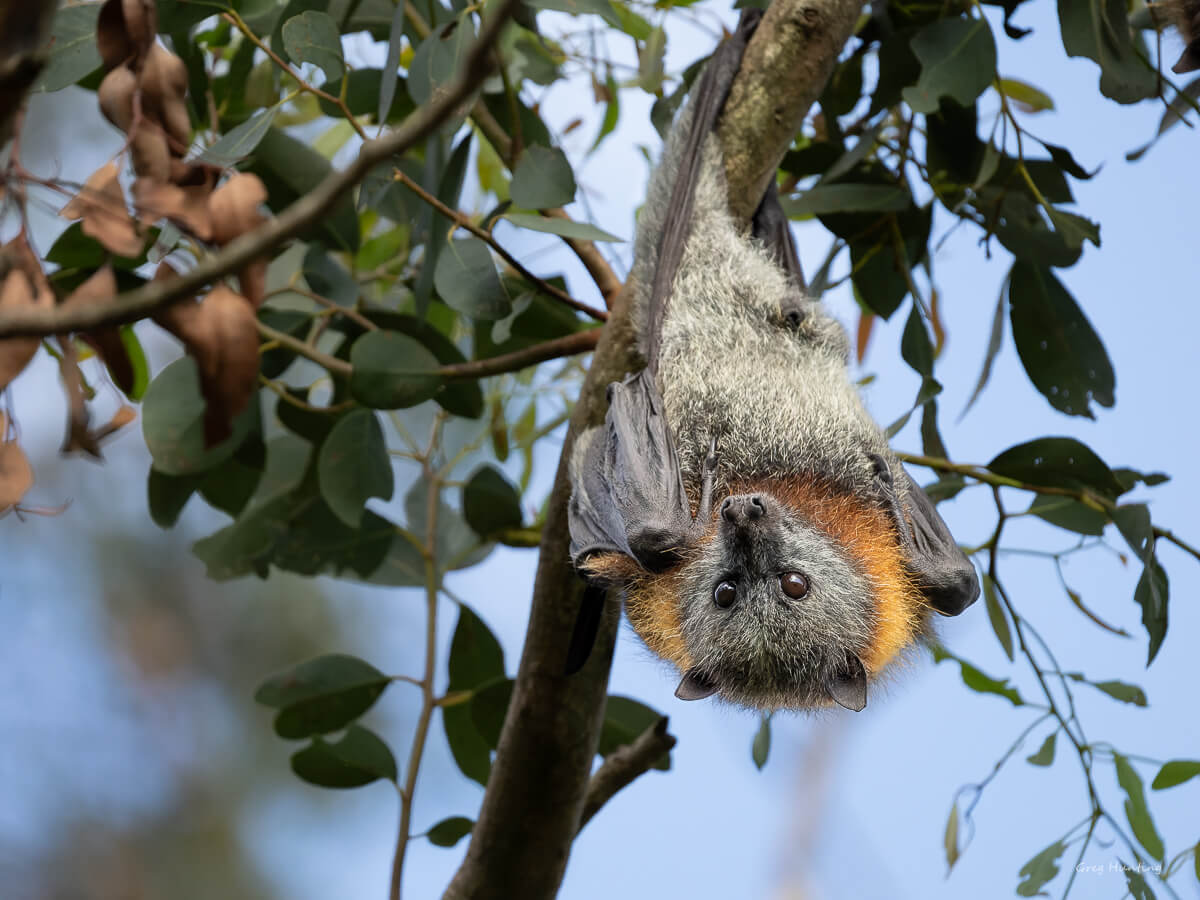
They’re certainly not birds but they do fly. The grey-headed flying fox is the largest bat in Australia with a wingspan of one metre. They’re not always popular with fruit growers as they mainly eat fruit and blossoms, although their favourite foods are eucalypt blossoms and native figs. My BH (my better half) tells me they’re cute (but then she says rabbits are too) and they are an endangered species.
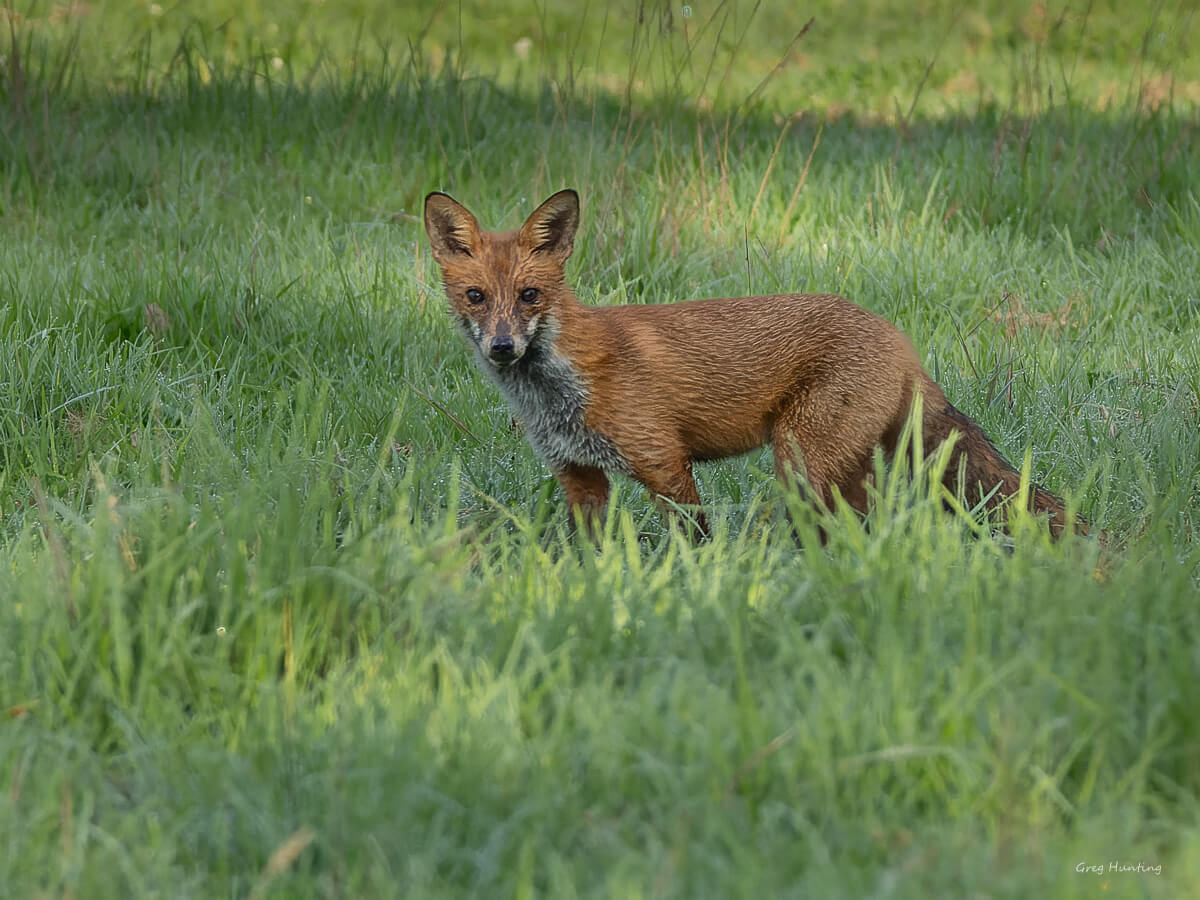
Red foxes have spread everywhere in Australia, except Tasmania – they can’t swim that far. They were introduced in the early 1800’s, to allow that British tradition, fox hunting, to be enjoyed by the early settlers. Like the introduction of cane toads, rabbits, carp, and numerous other non-native pests, foxes proved to be smarter than those early settlers who failed miserably to catch foxes at anywhere near the rate they could breed. They are considered a major threat to native animals and livestock.
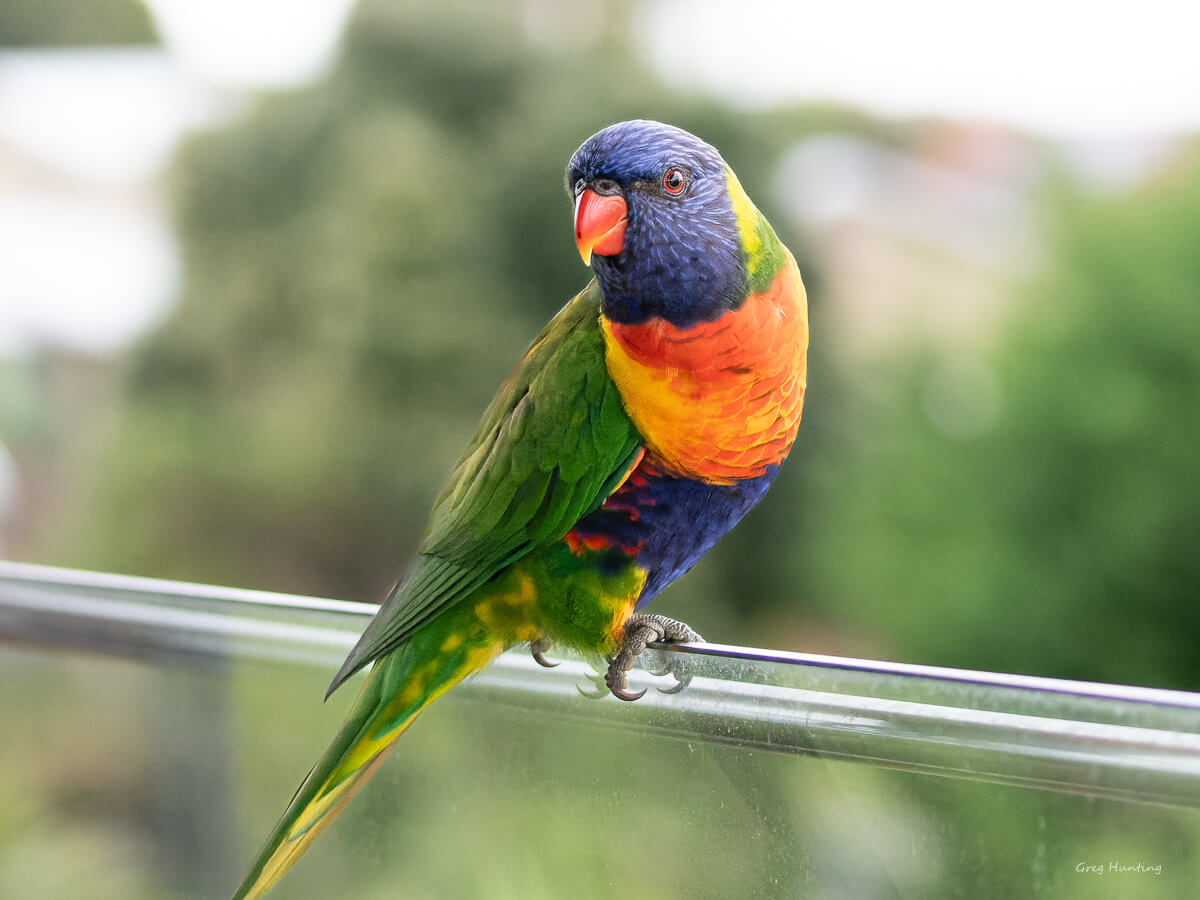
Always friendly, curious, pretty, and sometimes noisy, that’s the Rainbow Lorikeet. They’re usually in large highly social flocks feeding on flowers, fruit, seeds and insects and are one of coastal Australia’s most loved birds.
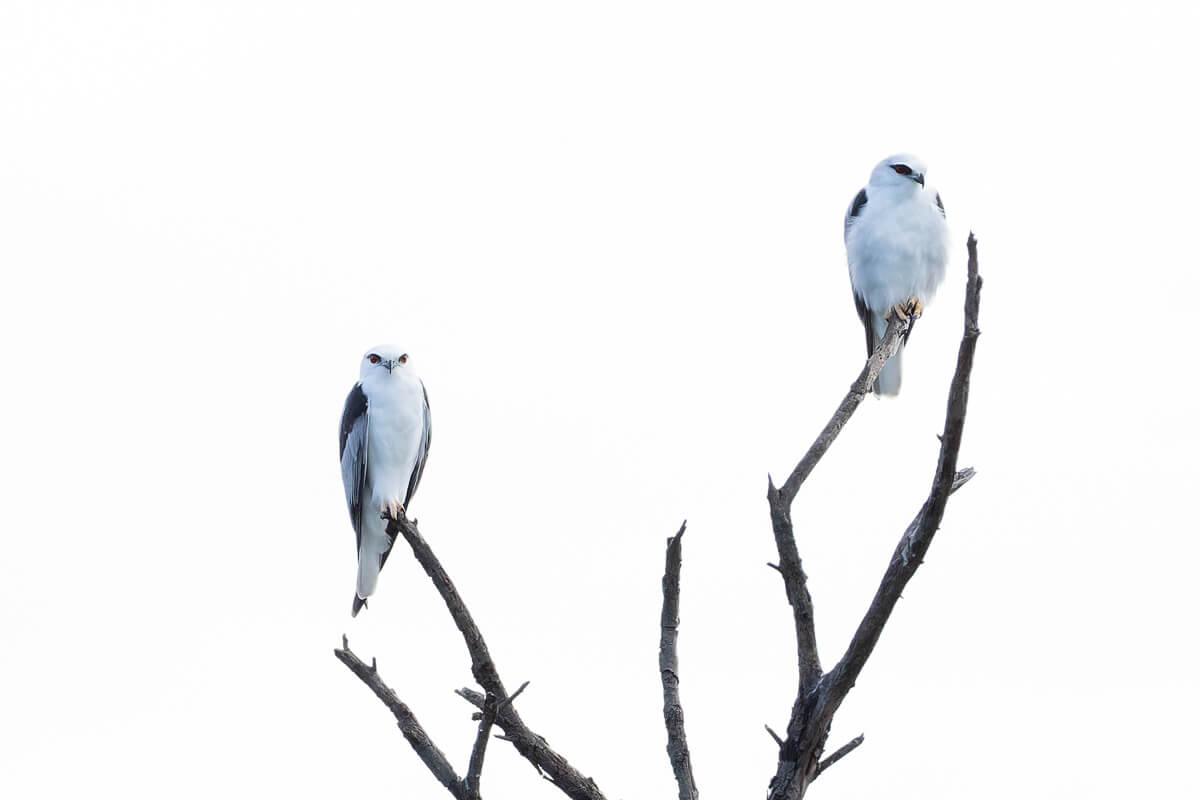
Black-shouldered kites are one of the most attractive raptors in Australia. These smallish birds mainly hunt the common house-mouse which makes them one of the few who enjoy mouse plagues. This image was an attempt at a “high key” shot, which, according to Dr Google, “has few shadows and the subject set against a very bright background that is often over-exposed.” Sounds about right.
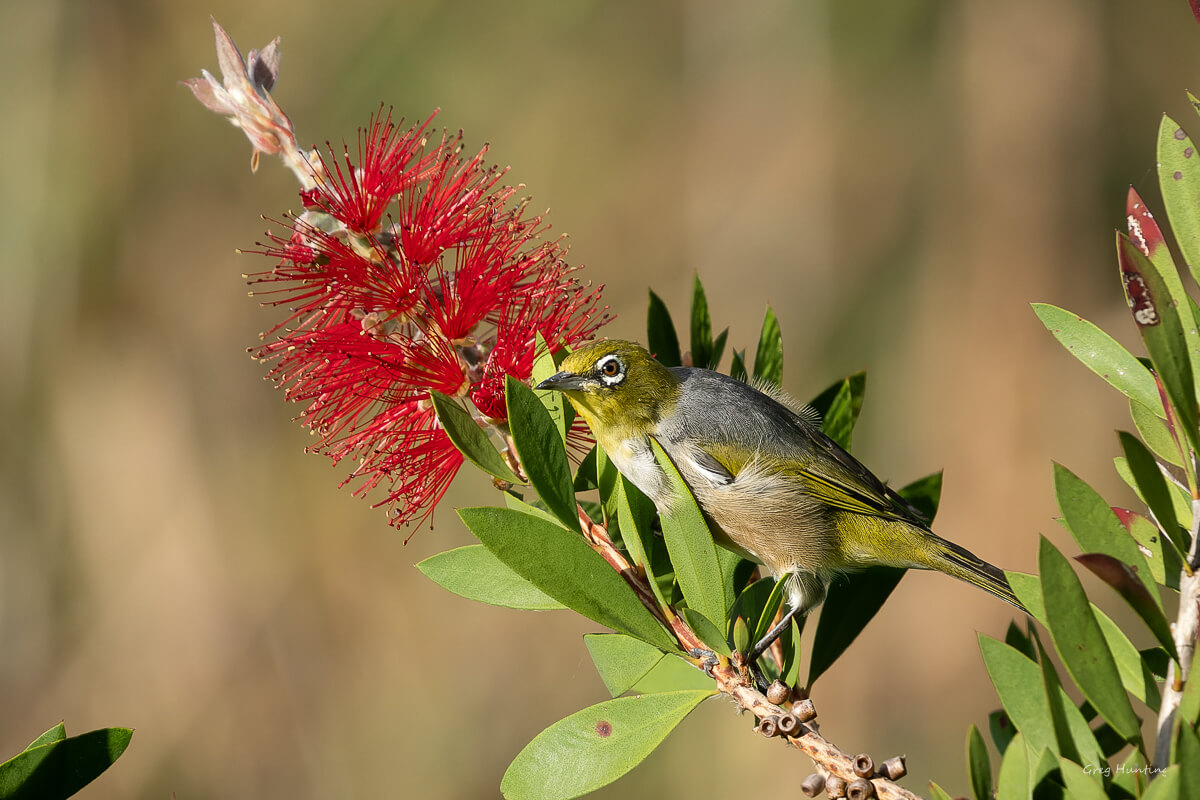
This Silver Eye was probably passing through our area. They don’t like the cold and start heading north at the first sign of a shiver. They mainly live in the Southeast of Australia but can be found as far north as Queensland during winter (just like so many southern humans).
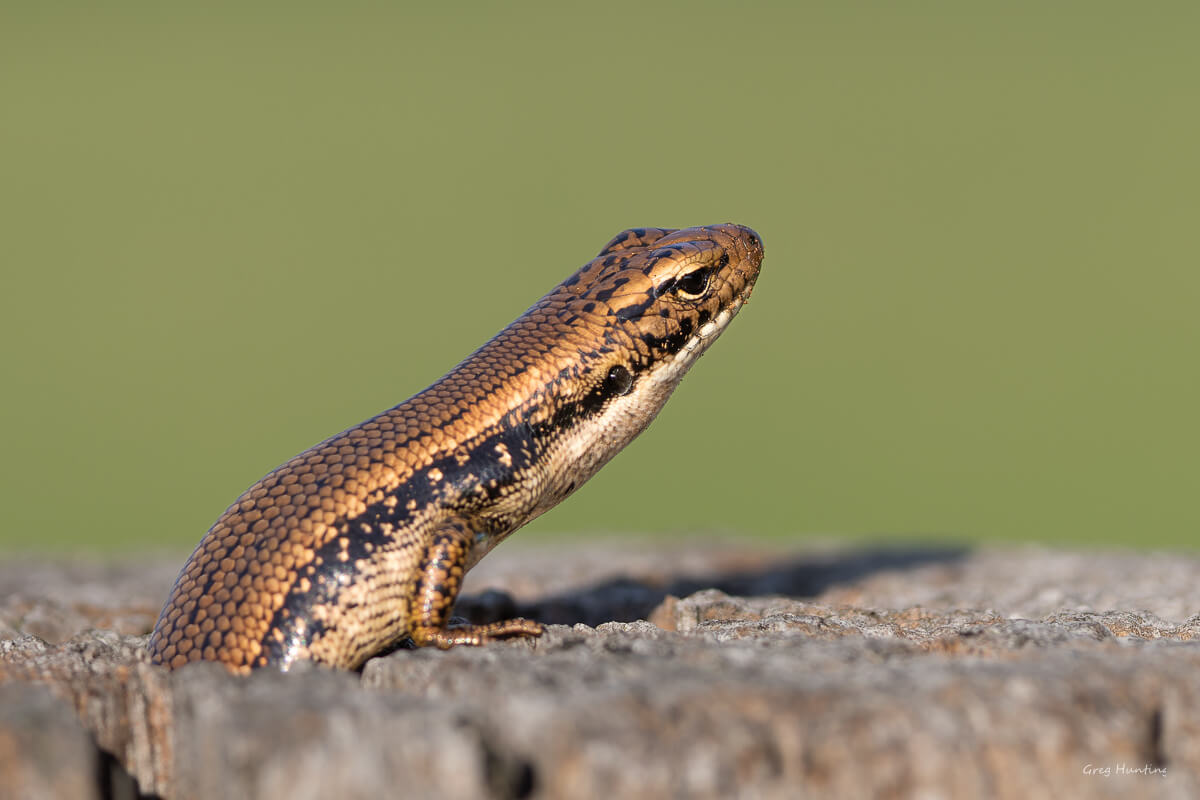
The warmth of the early morning sun was enough to lure this Eastern Water Skink out of his home in the top of a large fence post, but not too far. He’d make a tasty breakfast for any passing predator such as a kookaburra.
Subscribe below to be notified when the next monthly Post is online. Your email will not be shared or used for any marketing, and you can unsubscribe at anytime.